Kalasha Saree Draping 101: A Step-by-Step Guide for Your Varamahalakshmi Pooja
Decorating the Lakshmi Kalasha is one of the most cherished and auspicious traditions of Varamahalakshmi Pooja, as it symbolizes the arrival of Goddess Lakshmi and inviting prosperity, abundance, and blessings into the home. While the kalasha itself represents the divine presence of the Goddess, draping it with a saree transforms it into a beautiful and auspicious centerpiece for your pooja.
If you are new and want to know how to drape a saree for a Varamahalakshmi Kalasha, how to wear a saree to Lakshmi Kalasha, or looking for simple saree draping for Varamahalakshmi, this step-by-step blog covers everything you need. From choosing the right silk fabric and creating neat pleats to styling the pallu and selecting accessories, you will learn how to achieve a traditional yet elegant look with ease.
What is a Lakshmi Kalasha and Why is it Draped with a Saree?
The Lakshmi Kalasha is a sacred pot that symbolizes prosperity, abundance, and the divine presence of Goddess Lakshmi in Hindu traditions. During Varamahalakshmi Pooja, it is decorated with mango leaves, a coconut, and a saree to represent the Goddess herself, welcoming blessings of wealth, health, and happiness into the home.
Draping the Kalasha with a saree is a cherished ritual that reflects devotion and respect, transforming the sacred vessel into a beautiful representation of Goddess Lakshmi. Across South India, particularly in Karnataka, Tamil Nadu, Andhra Pradesh, and Telangana, families adorn the Kalasha with silk fabrics, jewellery, and fresh flowers as part of their Varamahalakshmi celebrations.
Things You Will Need Before Draping the Kalasha
So before you start draping the kalasha with a saree, you need these items to ensure a smooth, beautifully decorated Lakshmi kalasha.
| Item | Purpose |
|---|---|
| Brass or Silver Kalasha | The sacred vessel that symbolises Goddess Lakshmi and abundance during Varamahalakshmi Pooja. |
| Mango Leaves | Placed around the mouth of the kalasha to represent prosperity, fertility, and positive energy |
| Cononut | Placed on the top of the kalasha, as the coconut signifies Goddess Lakshmi and completes the traditional kalasha engagement |
| Small Silk Saree or Blouse Piece | Used to drape the kalasha beautifully, giving it the appearance of Goddess Lakshmi. Lightweight silk fabrics create neat pleats and an elegant finish. |
| Safety Pins | Essential for securing the saree, holding pleats in place, and preventing the fabric from slipping during the pooja. |
| Fresh Flowers | Jasmine, marigold, or rose garlands add fragrance, color, and a festive touch to the decorated kalasha. |
| Jewellery and Accessories | Mini necklaces, bangles, waist belts (kamarbandh), and bindis enhance the Kalasha's divine appearance. |
| Kumkum and Turmeric | Sacred offerings used to decorate the kalasha and perform the pooja rituals according to tradition. |
How to Drape a Saree on a Lakshmi Kalasha (Step-by-Step)
Draping a saree on a Lakshmi Kalash for Varmalakshmi Pooja is a beautiful way to honor the Goddess Lakshmi. So, with easy and simple steps, you can transform a kalasha into an elegant representation of the goddess.
Step 1: Prepare the Kalasha Base
Start by setting up the Lakshmi kalasha according to tradition,
Place a clean brass, silver, or copper kalasha on a plate filled with raw rice for stability.
Fill the kalasha with water, turmeric, coins, betel nuts, or other sacred offerings as per your family customs.
Arrange five fresh mango leaves around the opening and place a coconut on top.
If you're using a Lakshmi face or idol, secure it before draping the fabric.
Keep your small silk saree or blouse piece, safety pins, and thread ready before you begin
Step 2: Wrap the Base Around the Kalasha
The base wrap forms the foundation of the drape.
Take one end of the saree or fabric and wrap it around the middle portion of the kalasha to create the waistline.
Adjust the fabric so it sits evenly around the pot without bunching.
Secure the fabric using safety pins or a cotton thread to prevent it from slipping during the pooja.
Step 3: Create Front Pleats
Pleats give the kalasha the appearance of a traditionally draped saree.
Fold the lower portion of the fabric into small, even pleats, similar to those made while wearing a saree.
Arrange the pleats neatly at the front of the kalasha.
Pin or tie them firmly so they remain in place throughout the rituals.
Step 4: Drape the Pallu
The pallu completes the classic goddess-inspired look.
Gather the remaining fabric into neat shoulder pleats.
Place the pleated pallu over one side of the kalasha, just as you would drape it over the shoulder.
Bring the pallu around the back and let it fall gracefully towards the front.
Secure it with safety pins for a clean and elegant finish.
Step 5: Add Jewellery & Final Decorations
Add the final embellishments to bring your Lakshmi Kalasha to life.
Decorate the draped kalasha with a miniature necklace, waist belt (kamarbandh), bangles, or decorative ornaments.
Adorn it with fresh flower garlands and apply kumkum and turmeric for a traditional touch.
Adjust the pleats and pallu one final time to ensure the drape looks symmetrical and festive.
How to Drape a Saree on Kalasha?
Here are simple steps that you must follow to drape a saree on a kalasha to create a beautiful traditional look.
Wrap a small silk saree piece around the middle of the Kalasha to create a neat base.
Secure it with safety pins or thread to keep the fabric in place.
Create 4 to 6 small front pleats and pin them securely. Fewer pleats give the Kalasha a clean and elegant appearance without making it look bulky.
A single Kalasha drape is perfect for homes with limited space.
Complete the saree draping for Varamahalakshmi by adding a neatly pleated pallu, fresh flowers, a miniature necklace, and a waist belt.
Do You Need a Kalasha Draping Stand?
A Varamahalakshmi saree draping stand is not a must-have, but it can be a useful accessory that supports the Kalasha and makes the draping process easier. Although it isn't essential, it can be especially useful for beginners or those looking for a polished finish.
Benefits of a Kalasha Draping Stand
Better Stability: Keeps the Kalasha upright and prevents it from moving while you arrange the saree.
Easy Pleat Placement: Makes it easier to create uniform pleats and secure the pallu neatly.
Ideal for Beginners: Simplifies Varamahalakshmi saree draping, allowing first-time users to achieve a traditional look with less effort.
Best Fabrics for Kalasha Saree Draping
The choice of the fabric for Varamalakshmi sarees plays an important role for the celebration as well as for draping the Kalasha. Lightweight silks are easy to fold and can hold their shape while creating a graceful, goddess-inspired look.
If you are looking for a beautiful collection of handcrafted Varamalakshmi silk sarees, then come to Taneira and shop for the best silk sarees that follow India’s rich weaving tradition.
Our collections include
Kanchipuram Silk: Known for its rich zari borders and timeless elegance, Kanchipuram silk sarees are a classic choice for Varamahalakshmi celebrations. Its structured weave creates crisp pleats, making it ideal for festive saree draping while beautifully complementing your Lakshmi Kalasha decoration.
Banarasi Silk: Featuring intricate brocade motifs and lustrous textures, Banarasi Silk brings a regal charm to your pooja. Pairing your festive attire with a similarly styled Kalasha drape creates a coordinated and traditional look that's perfect for the occasion.
Chanderi Silk: Lightweight and airy, Chanderi Silk is easy to pleat and drape, making it an excellent option for Varamahalakshmi saree draping. Its subtle sheen and delicate motifs add elegance without making the Kalasha look bulky.
Tissue Silk: Want something with shimmer and glamour for a festive occasion? Try tissue silk; it's an excellent choice. Its lightweight texture allows the pleats and pallu to fall beautifully, creating a graceful finish that's easy to achieve, whether you're using a draping stand or draping directly on the Kalasha.
Cotton: Cotton sarees are soft and comfortable. The fabric stays in place well, making it a practical option for Varamahalakshmi saree draping, especially for compact or single Kalasha decorations.
Product Mention
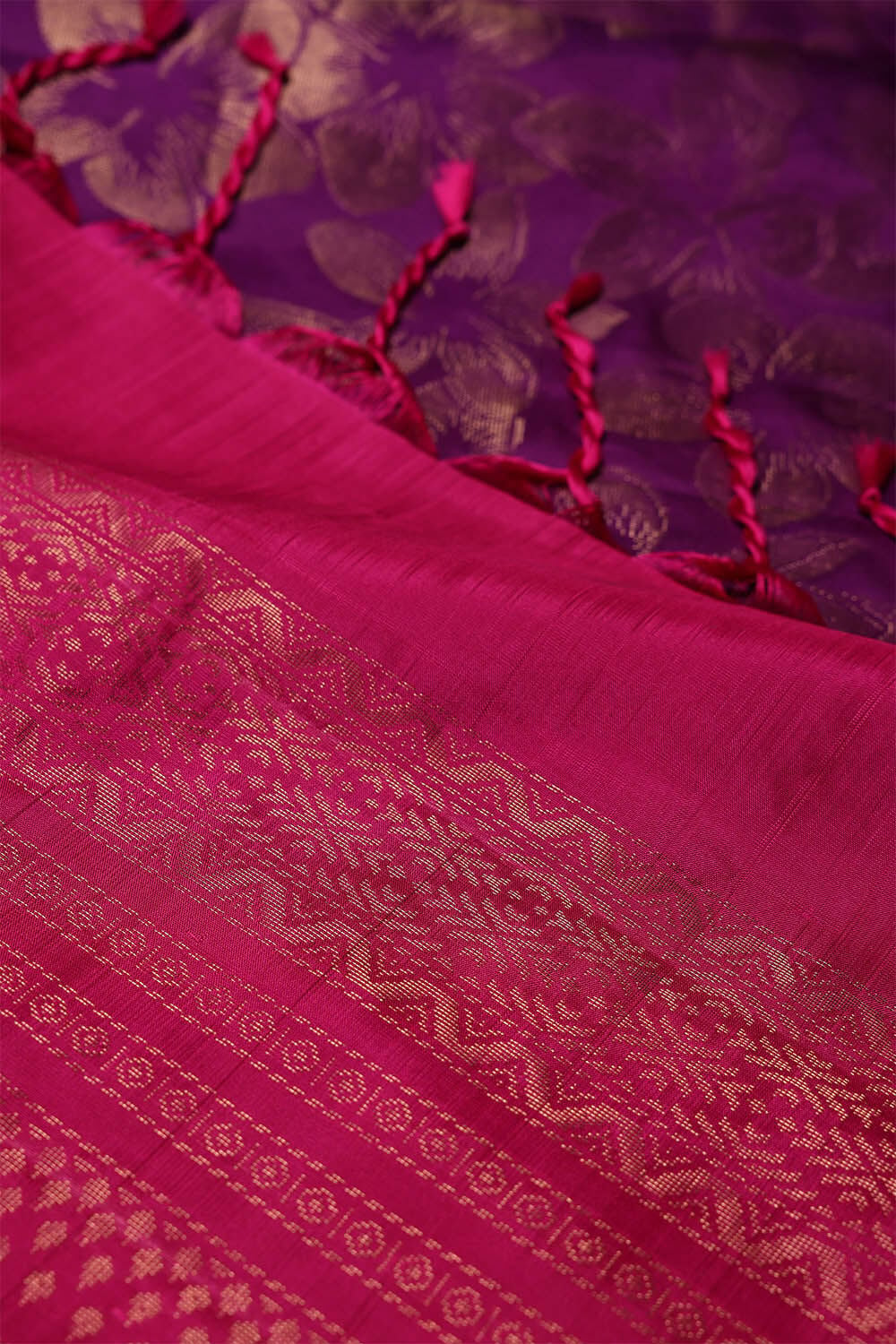
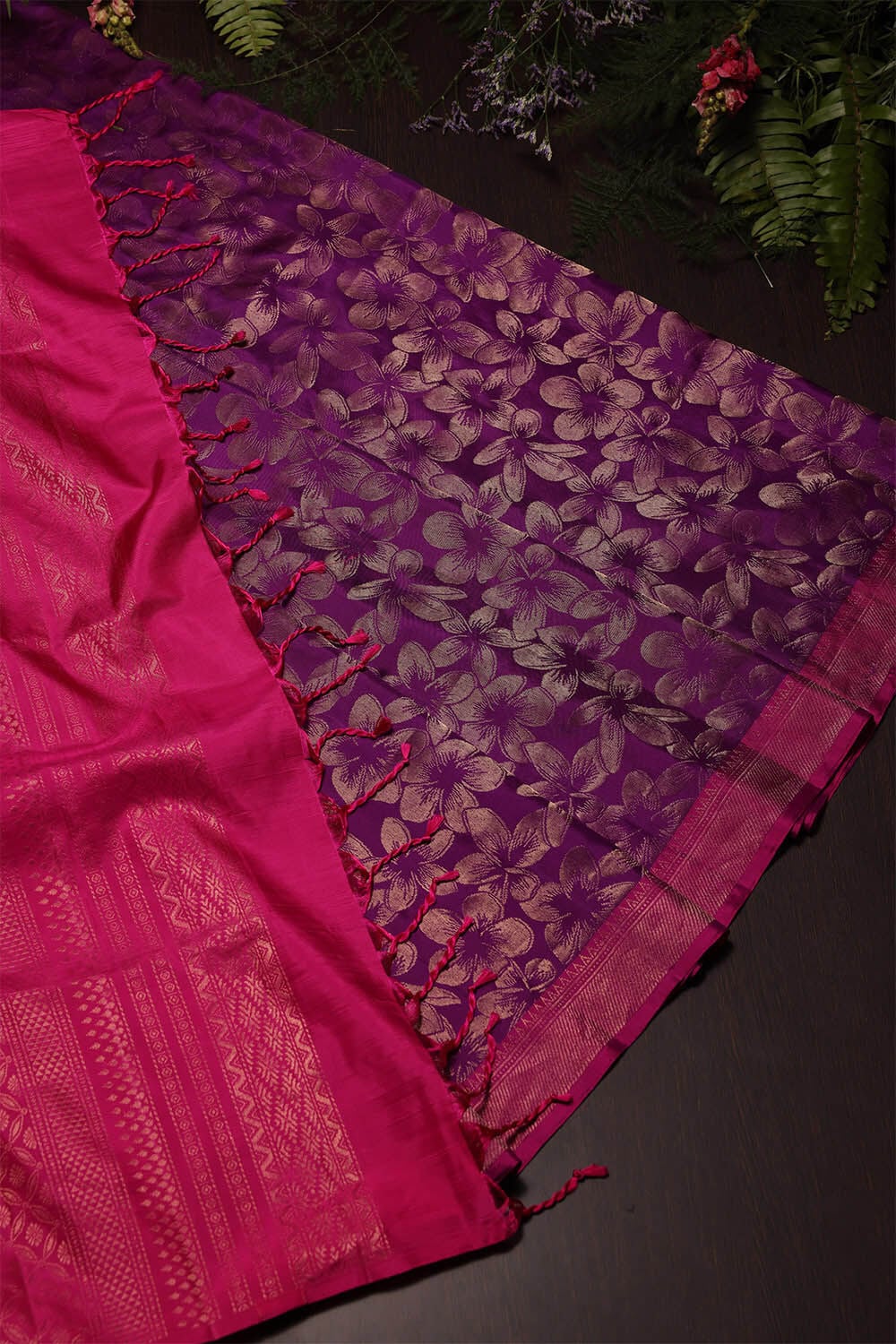
Violet South Silk Saree with Unstitched Blouse Piece
The Violet South Silk Saree is a timeless choice for Varamahalakshmi Pooja and traditional Kalesha saree draping, thanks to its rich South silk fabric that offers a luxurious sheen and structured drape. The elegant woven detailing and classic craftsmanship beautifully complement ceremonial draping styles, helping the pleats and pallu hold their shape throughout the rituals. Its vibrant violet hue adds a regal touch, while the smooth silk fabric ensures both comfort and elegance, making it an ideal saree for celebrating Varamahalakshmi in traditional South Indian style.
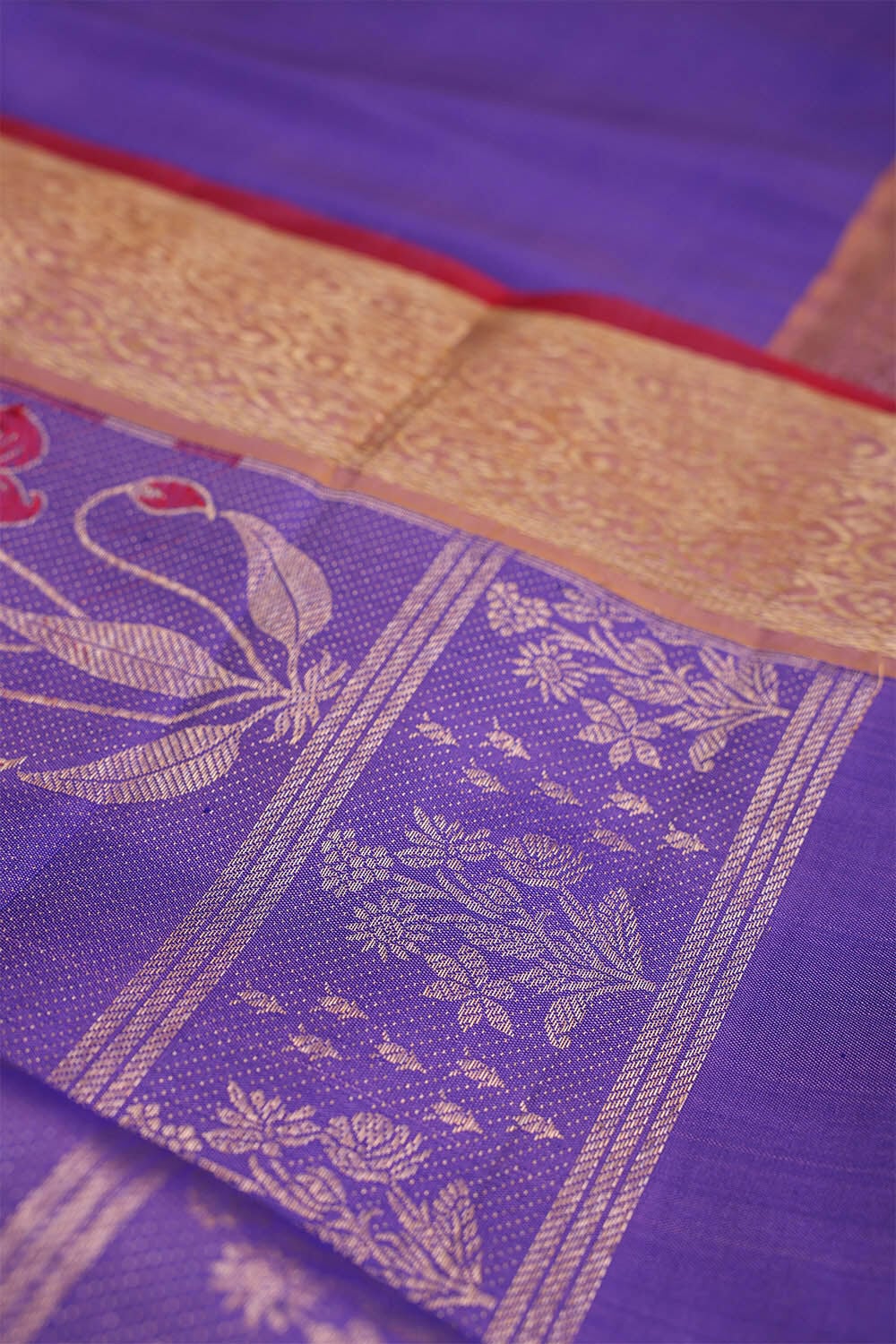
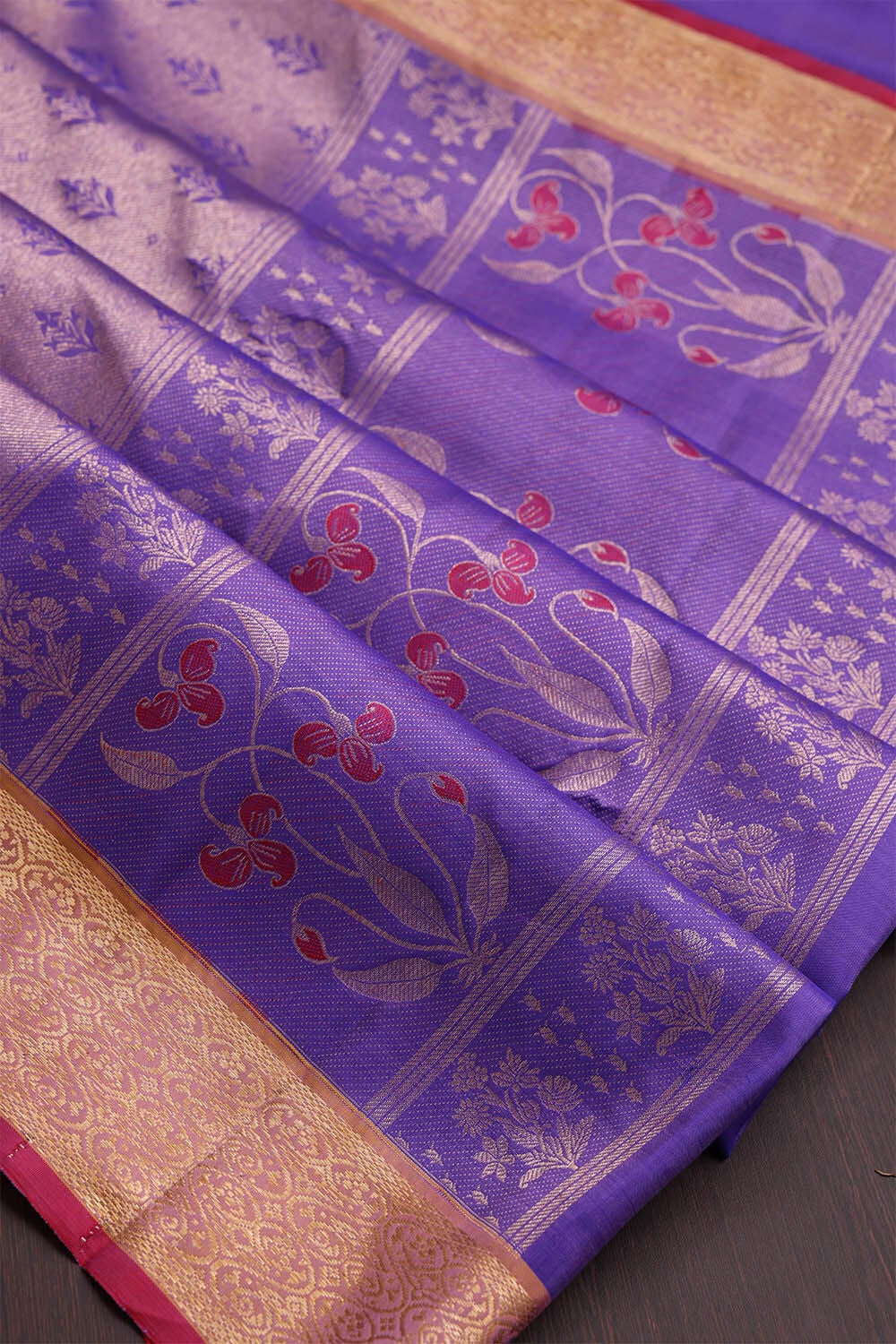
Purple Kanjivaram Silk Saree with Unstitched Blouse Piece
The Purple Kanjivaram Silk Saree is a classic choice for Varamahalakshmi Pooja, Kalesha saree draping, and other auspicious celebrations. Crafted from rich Kanjivaram silk, it offers a lustrous finish, luxurious feel, and a structured drape that helps traditional pleats and the pallu stay perfectly in place during rituals. The intricate woven patterns and elegant zari detailing showcase the heritage of South Indian craftsmanship, while the regal purple hue adds a touch of grace and grandeur. This timeless silk saree beautifully blends tradition, comfort, and festive elegance, making it an ideal silk saree for Varamahalakshmi.
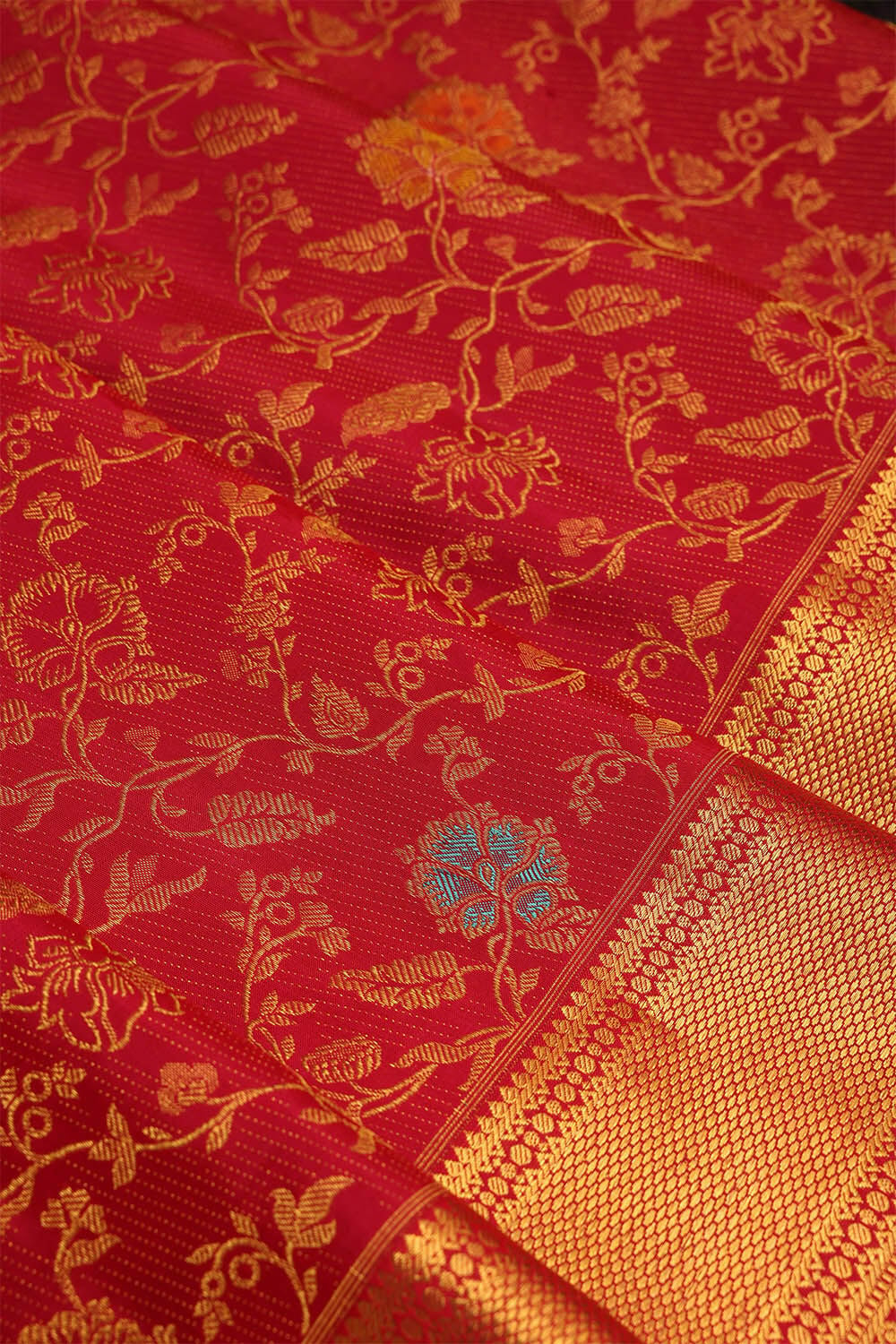
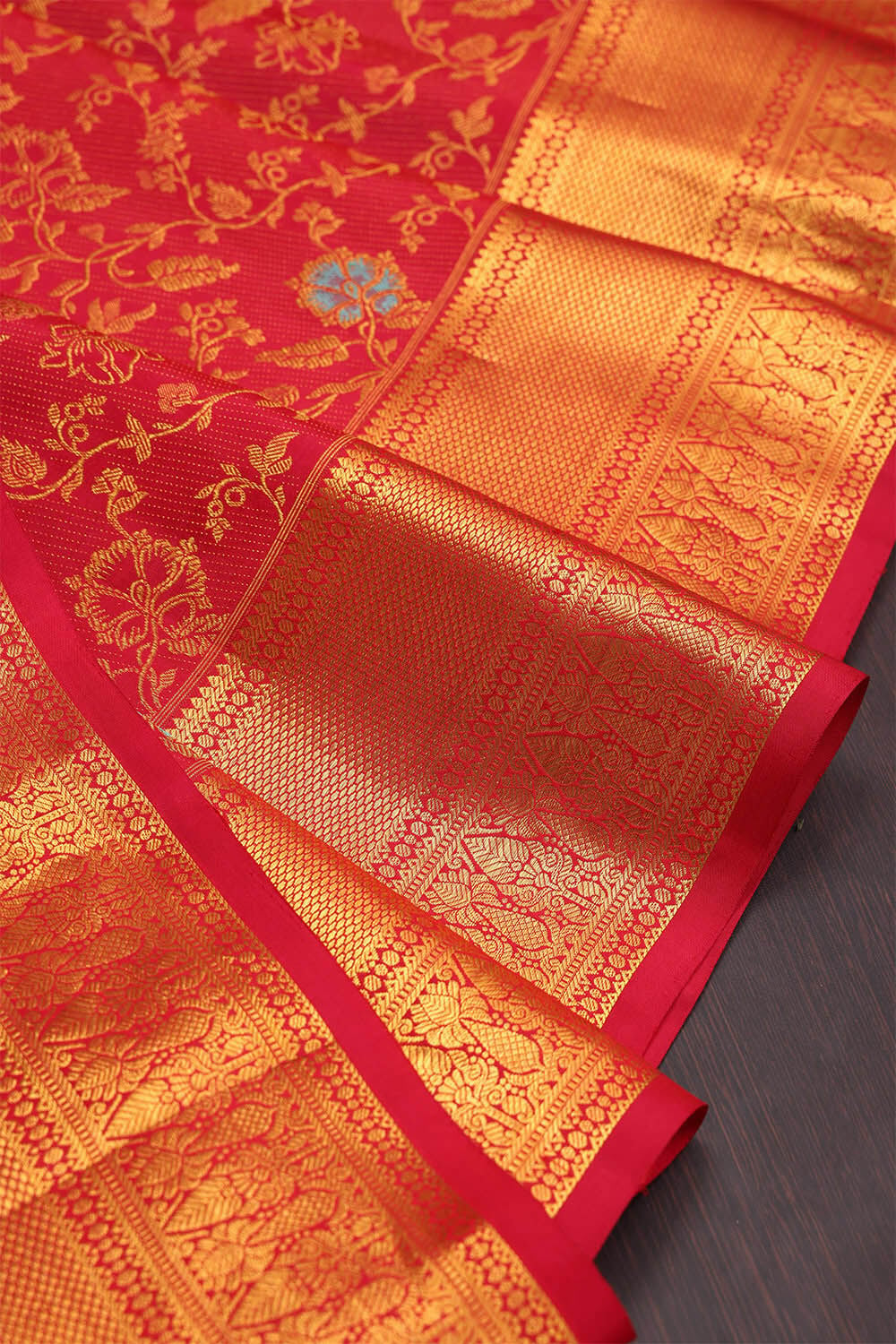
Pink Kanjivaram Silk Saree with Unstitched Blouse Piece
The Pink Kanjivaram Silk Saree is a beautiful choice for Varamahalakshmi Pooja, Kalesha saree draping, and other festive South Indian celebrations. Crafted from luxurious Kanjivaram silk, it features a rich sheen, smooth texture, and a structured drape that keeps pleats and the pallu perfectly in place during rituals. The intricate woven motifs and elegant zari detailing highlight the artistry of traditional Kanjivaram weaving, while the vibrant pink hue symbolizes prosperity, joy, and auspiciousness. This timeless silk saree for Varamahalakshmi blends heritage craftsmanship with festive elegance, making it a cherished addition to your occasion wardrobe.
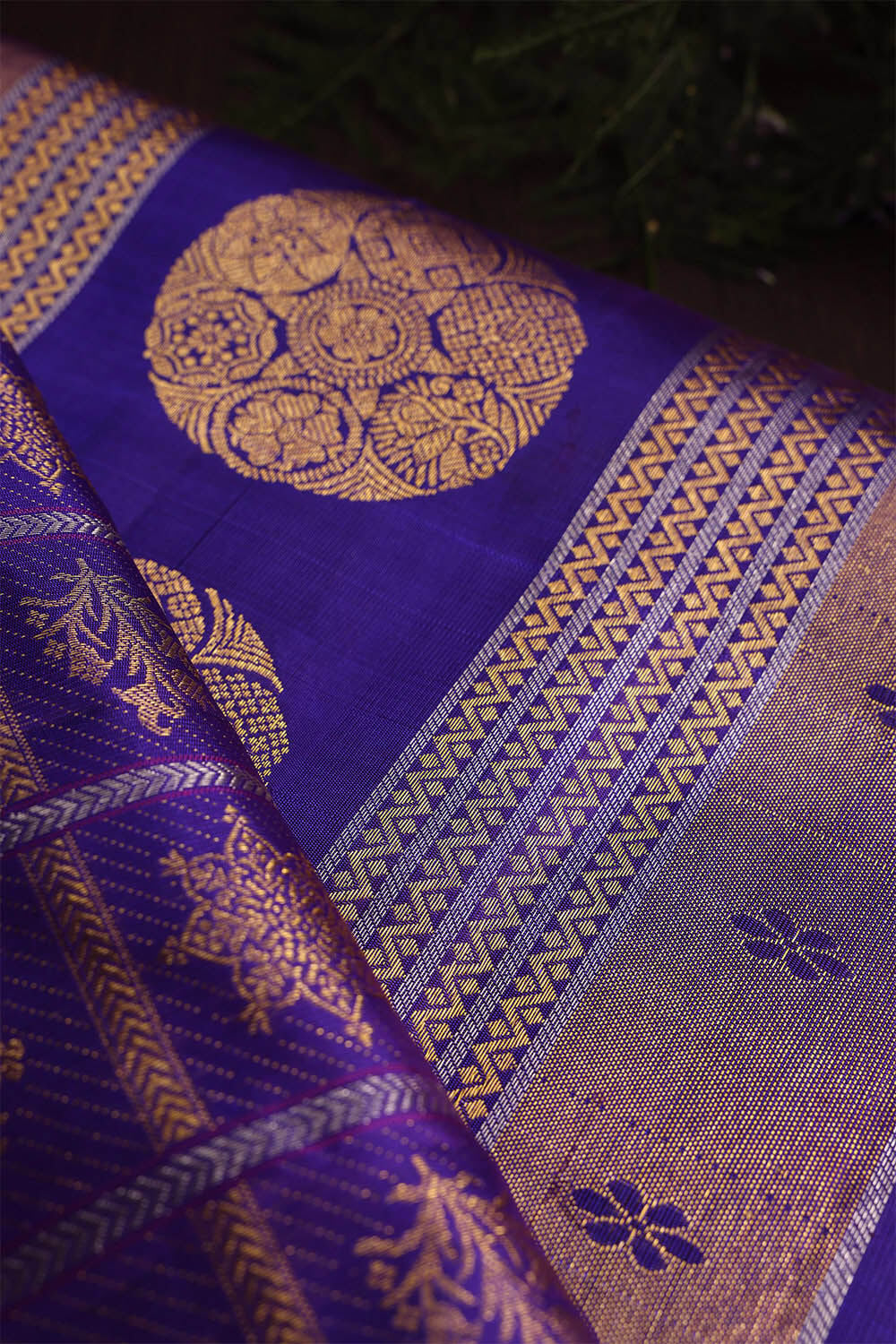
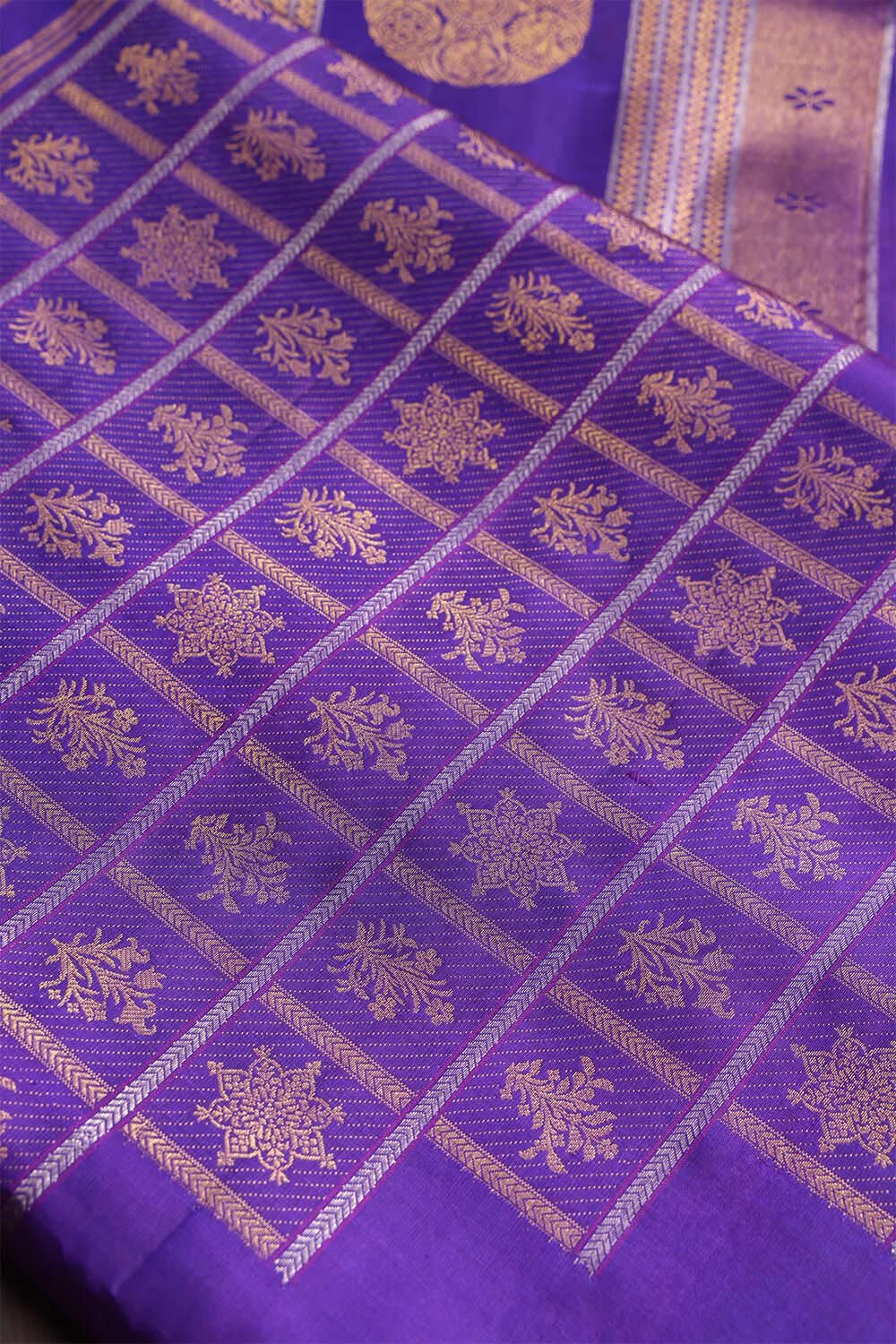
Violet Kanjivaram Silk Saree with Unstitched Blouse Piece
The Violet Kanjivaram Silk Saree is an elegant choice for Varamahalakshmi Pooja, Kalesha saree draping, and other traditional South Indian festivities. Crafted from luxurious Kanjivaram silk, it features a rich sheen, smooth texture, and a structured drape that keeps pleats and the pallu beautifully in place throughout the rituals. The intricate extra-weft weaving and gold-zari detailing enhance its timeless appeal, while the regal violet hue adds a touch of grandeur and devotion. This classic silk saree for Varamahalakshmi perfectly combines heritage craftsmanship with festive elegance, making it a treasured addition to your ethnic wardrobe.
Why Lightweight Silks Are Ideal for Kalasha Draping
Lightweight silk fabrics are preferred because they:
Create neat and well-defined pleats.
Stay securely in place with minimal pinning.
Are easier to arrange with or without a Varamahalakshmi saree draping stand.
Give the Lakshmi Kalasha a graceful and festive appearance.
Pair beautifully with your own Varamahalakshmi sarees for a coordinated pooja setup.
Matching Your Kalasha Decoration with Your Varamahalakshmi Saree
| Your Varamahalakshmi Saree | Recommended kalasha Fabric |
|---|---|
| Red banarasi silk saree | Gold silk with zari border |
| Green kanchipuram silk saree | Green silk saree |
| Pink silk saree | Pink tissue saree |
| Yellow silk saree | Mustard brocade or tissue silk |
| Royal blue silk saree | Silver tissue saree |
| Maroon kanchipuram saree | Antique gold brocade |
Check out some amazing saree draping style for this festive season.
Common Kalasha Saree Draping Mistakes to Avoid
A beautifully decorated Lakshmi kalasha can elevate the entire spiritual ambiance and vibe of the Varamahalakshmi Pooja, but there are a few common mistakes to avoid for a perfect saree draping.
Loose pleats: Neatly folded pleats give the Kalasha a graceful, saree-like appearance. Loose or uneven pleats can make the drape look untidy and may come undone during the pooja. Take your time to create even pleats and secure them properly.
Heavy fabric: Using heavy silk sarees can be difficult to drape around a small Kalasha and may slip or lose their shape. Instead, choose lightweight fabrics such as Chanderi, Tissue Silk, or a small silk saree for effortless Varamahalakshmi saree draping.
Uneven pallu: The pallu should fall naturally and symmetrically to resemble a traditional saree drape. An uneven or poorly arranged pallu can make the decoration appear incomplete. Fold the pallu neatly and adjust its length before pinning it in place.
No pinning: One of the most common mistakes is failing to secure the fabric. Use safety pins or thread to hold the pleats and pallu firmly, especially if you're not using a Varamahalakshmi saree draping stand. This keeps the saree in place throughout the rituals.
Oversized saree: A full-sized saree can be difficult to manage on a small Kalasha. If you're using one, fold it carefully or opt for a smaller decorative silk saree or blouse piece to achieve a cleaner, more proportionate look.
Missing waist ornament: A miniature waist belt (kamarbandh) adds structure to the drape and enhances the Kalasha's goddess-inspired appearance. Pair it with a necklace, fresh flowers, and other ornaments to complete the festive decoration.
Celebrate Varamahalakshmi with Timeless Taneira Silks
Mark the dates of the Varamahalakshmi Pooja celebration this year and make it more memorable with Taneira. Explore some of the best collections of Varamahalakshmi sarees from fabrics like Kanchipuram to Banarasi to lightweight options like cotton, chanderi, etc., and get a chance to celebrate India’s finest craftsmanship.
Explore handcrafted Varamahalakshmi silk sarees that perfectly blend heritage with contemporary elegance, helping you create a coordinated festive look for every ritual. Pair your festive attire with your beautifully adorned Kalasha to celebrate the occasion with grace, tradition, and timeless style.
Frequently Asked Questions
How do you drape a saree on a Varamahalakshmi Kalasha?
To drape a saree on a Varamahalakshmi Kalasha, first prepare the kalasha with water, sacred offerings, mango leaves, and a coconut. Wrap a small silk saree or blouse piece around the middle of the kalasha, create neat front pleats, drape the pallu over one side, and secure it with safety pins. Finish the decoration with jewellery, flowers, kumkum, and turmeric.
Can I use a full-size saree for Kalasha decoration?
Yes, you can use a full-size saree, but it may require additional folding and pinning. For easier draping and a more proportionate look, many devotees prefer a small silk saree, blouse piece, or decorative fabric.
Which fabric is best for Kalasha saree draping?
Lightweight silk fabrics are ideal for Kalasha saree draping because they create neat pleats and stay securely in place. Kanchipuram Silk, Banarasi Silk, Chanderi Silk, Tissue Silk, and Cotton Silk are popular choices for Varamahalakshmi saree draping, offering both elegance and ease of handling.
Do I need a Kalasha draping stand?
No, a Varamahalakshmi saree draping stand is not essential. However, it provides better stability, makes pleat placement easier, and is especially helpful for beginners. You can also achieve a beautiful drape without a stand by securing the fabric with safety pins or thread.
Can I reuse the Kalasha saree every year?
Yes. A Kalasha saree can be reused every year if it is stored properly after the pooja. Fold the fabric neatly, keep it in a clean, dry place, and use a protective cover to preserve its colour and texture for future Varamahalakshmi celebrations.
How long does Kalasha saree draping take?
If all the pooja items are ready, saree draping for Varamahalakshmi usually takes around 10 to 20 minutes. Beginners may take a little longer, while using a Kalasha draping stand can make the process quicker and more convenient.
Which colour saree is considered auspicious for Goddess Lakshmi?
Traditional colours such as red, green, yellow, pink, and gold are considered auspicious for Goddess Lakshmi. These colours symbolise prosperity, abundance, happiness, and good fortune, making them popular choices for Varamahalakshmi sarees and Kalasha decorations.

