Kanchipuram vs Banarasi: Which Silk Saree Suits the Varamahalakshmi Pooja Best?
Varamahalakshmi Pooja is one of the most cherished festivals celebrated across South India, honouring Goddess Lakshmi, the symbol of wealth, prosperity, and well-being. Dressing in an elegant silk saree for Varamahalakshmi Pooja is an important part of the celebration, as silk is the preferred fabric for its auspicious significance and timeless appeal.
Among the many traditional weaves, the choice often comes down to a Kanchipuram saree and a Banarasi saree. For those looking to invest in authentic handcrafted silk sarees, Taneira offers a thoughtfully curated collection of Kanchipuram silk sarees, Banarasi sarees, and other heritage weaves crafted by master artisans across India. With a focus on authenticity, exceptional craftsmanship, and timeless design, Taneira helps you celebrate Varamahalakshmi Pooja in a saree that beautifully honors tradition while reflecting your personal style
Why Silk Sarees Are Worn for Varamahalakshmi Pooja
Silk has long been associated with purity, prosperity, and auspicious beginnings in Indian traditions. Wearing silk sarees for pooja is believed to honor Goddess Lakshmi and invite her blessings for happiness, abundance, and good fortune. The rich texture and natural sheen of silk sarees also make it a fitting choice for one of the most important festivals dedicated to the goddess.
For generations, women have chosen traditional silk sarees for Varamahalakshmi Vratham, especially heirloom weaves like Kanchipuram and Banarasi. These sarees are often paired with traditional jewellery, flowers, and other festive adornments, creating a timeless look that celebrates family traditions and India's handloom heritage.
What Makes a Kanchipuram Saree Perfect for Varamahalakshmi Pooja?
Across Tamil Nadu, Karnataka, Andhra Pradesh, and Telangana, Kanchipuram sarees have long been worn during weddings, temple ceremonies, and Varamahalakshmi Vratham. Choosing one for the pooja is a way to honor cultural traditions while embracing a timeless handloom heritage treasured across generations.
Kanchipuram sarees are woven from pure mulberry silk and adorned with intricate gold zari, reflecting the fabric's richness and signifying the grace, prosperity, and abundance associated with Goddess Lakshmi.
These silk sarees are inspired by the architecture of South Indian temples and often feature motifs such as temple borders (Gopuram), peacocks, rudraksh beads, and floral patterns, as these designs represent prosperity, protection, and divine blessings, making them especially meaningful for sacred occasions like Varamalakshmi Puja.
At Taneira, you can get some of the best Kanchipuram sarees for Varamalakshmi. We have authentic Kanchipuram silk sarees woven using high-quality mulberry silk, prized for its natural sheen, durability, and graceful drape. The rich texture lends an elegant, structured look that remains comfortable through long hours of pooja rituals and family celebrations.
Why Choose a Banarasi Saree for Varamahalakshmi Celebrations?
A Banarasi silk saree is the best choice for Varamahalakshmi Pooja. Known for its luxurious silk, intricate brocade weaving, and shimmering zari work, a Banarasi silk saree reflects the qualities of prosperity and elegance deeply associated with Goddess Lakshmi.
What Makes Banarasi Saree Different?
One of the defining features of a Banarasi saree is its intricate motifs inspired by Mughal art and architecture. Delicate floral vines (kalga and bel), paisleys, jaal patterns, and intricate butis are woven into the fabric with exceptional precision. These elegant designs create a graceful aesthetic, making a Banarasi saree for women an ideal choice for auspicious occasions like Varamahalakshmi Pooja.
Crafted from fine silk, Banarasi sarees have a fluid drape and luxurious texture. Despite their ornate weaving, they fall gracefully, offering a refined silhouette that is comfortable for long pooja rituals, family gatherings, and festive celebrations. Their timeless appeal ensures they remain a cherished part of every festive wardrobe.
Check out the latest collection of pure silk Banarasi sarees from Taneira - handwoven in Varanasi, these Banarasi sarees represent centuries of weaving excellence passed down through generations of skilled artisans.
Shop Festive Varamahalakshmi Sarees from Taneira
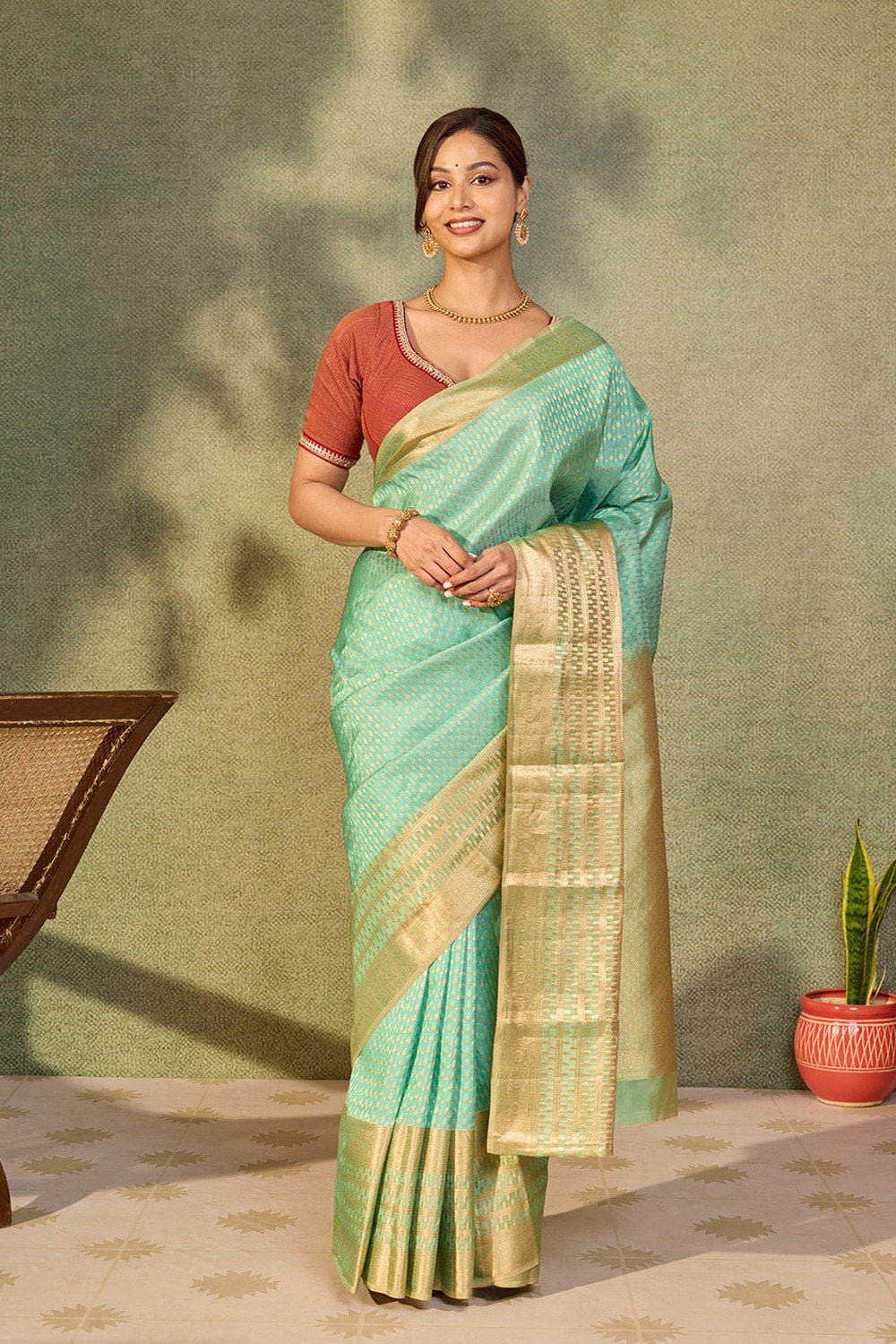
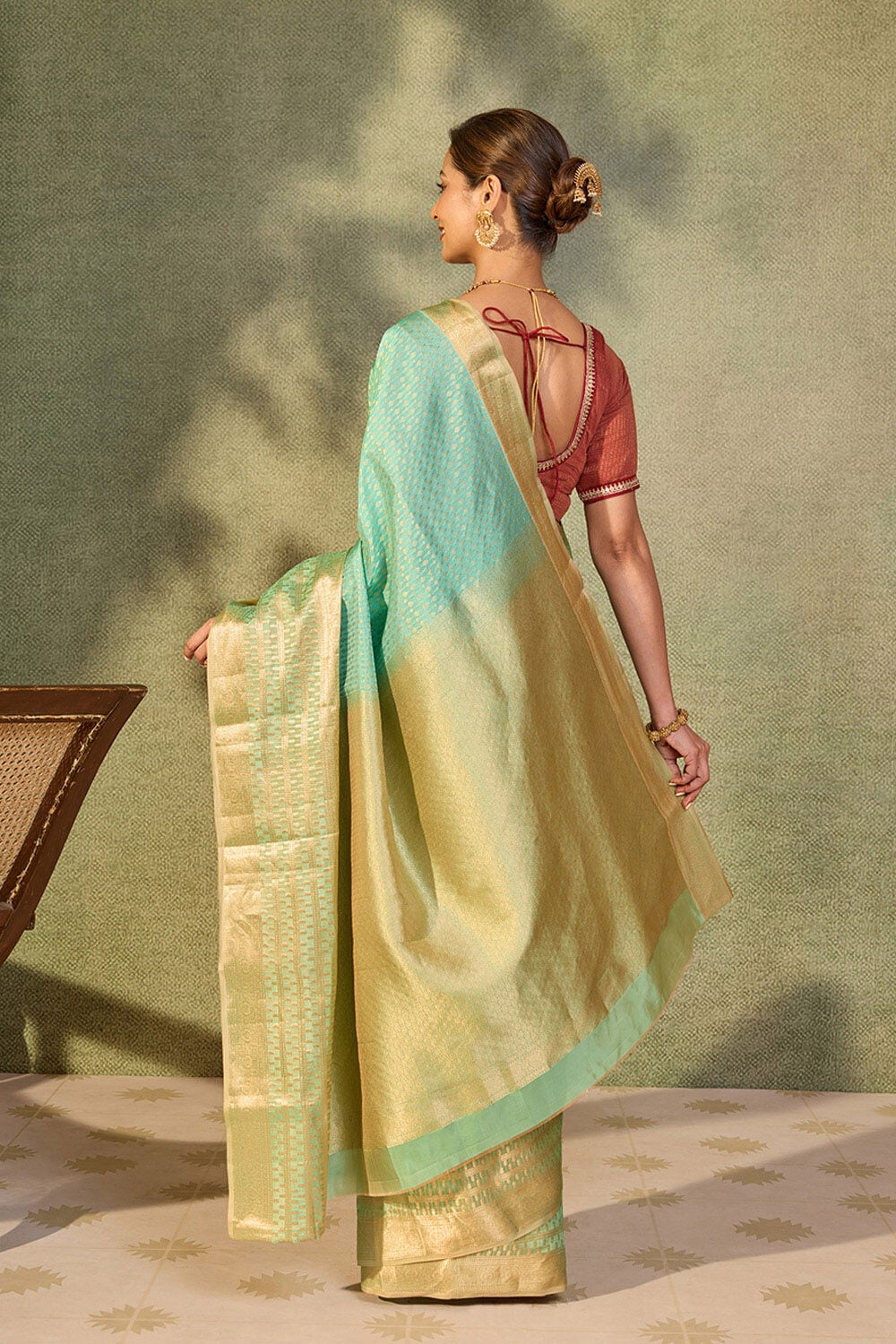
Light Green Woven Kanjivaram Silk Viscose Saree
The Light Green Woven Kanjivaram Silk Viscose Saree beautifully blends the timeless appeal of Kanjivaram weaving with the comfort of a silk-viscose fabric. The silk adds a rich sheen, while viscose gives the saree a softer drape and a lightweight feel, making it comfortable to wear during long Varamahalakshmi Pooja rituals. The elegant woven motifs and delicate zari detailing lend a festive charm without feeling overly heavy. Its auspicious light green hue, graceful craftsmanship, and easy-to-carry silhouette make it a beautiful choice for celebrating Varamahalakshmi with both tradition and comfort.
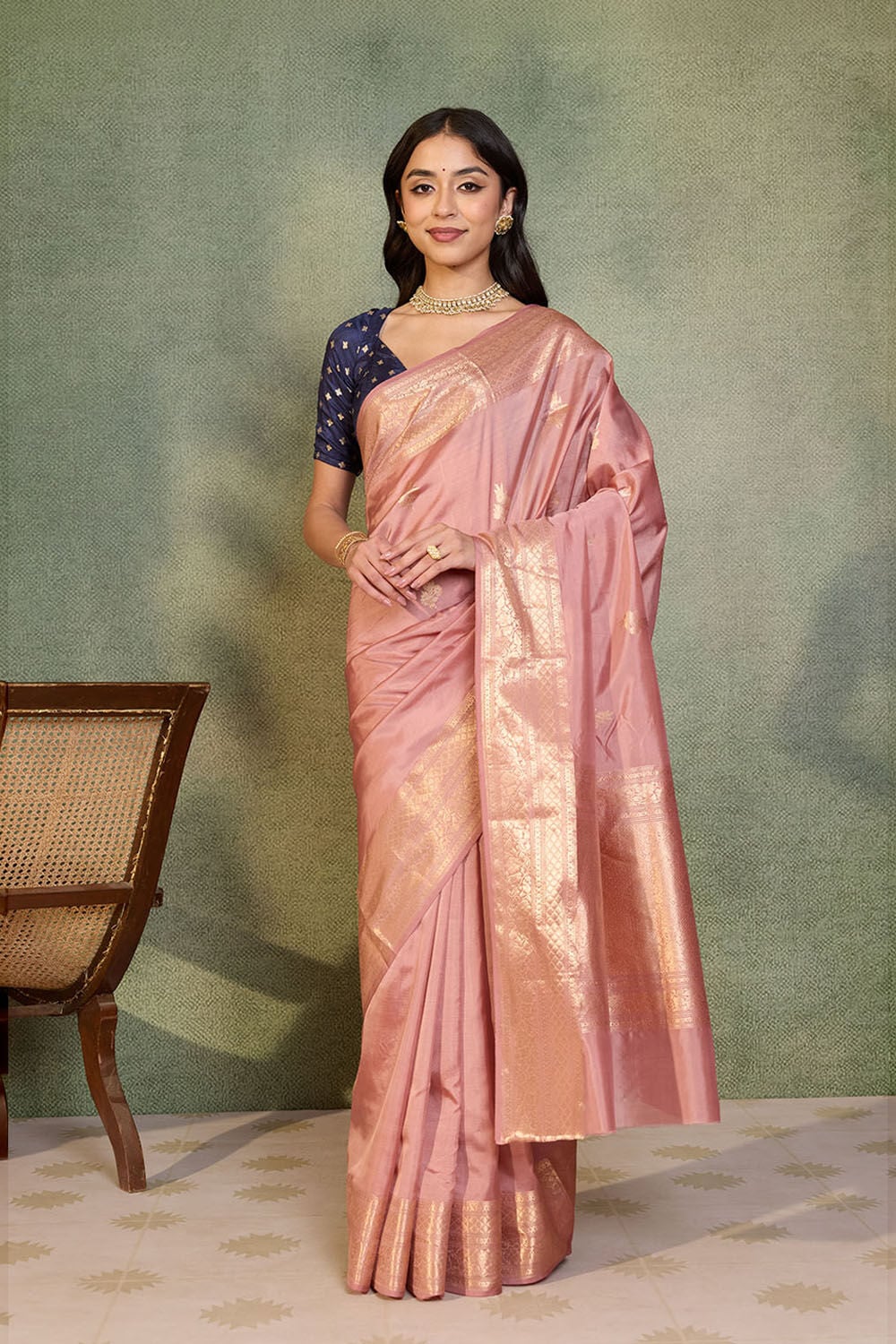
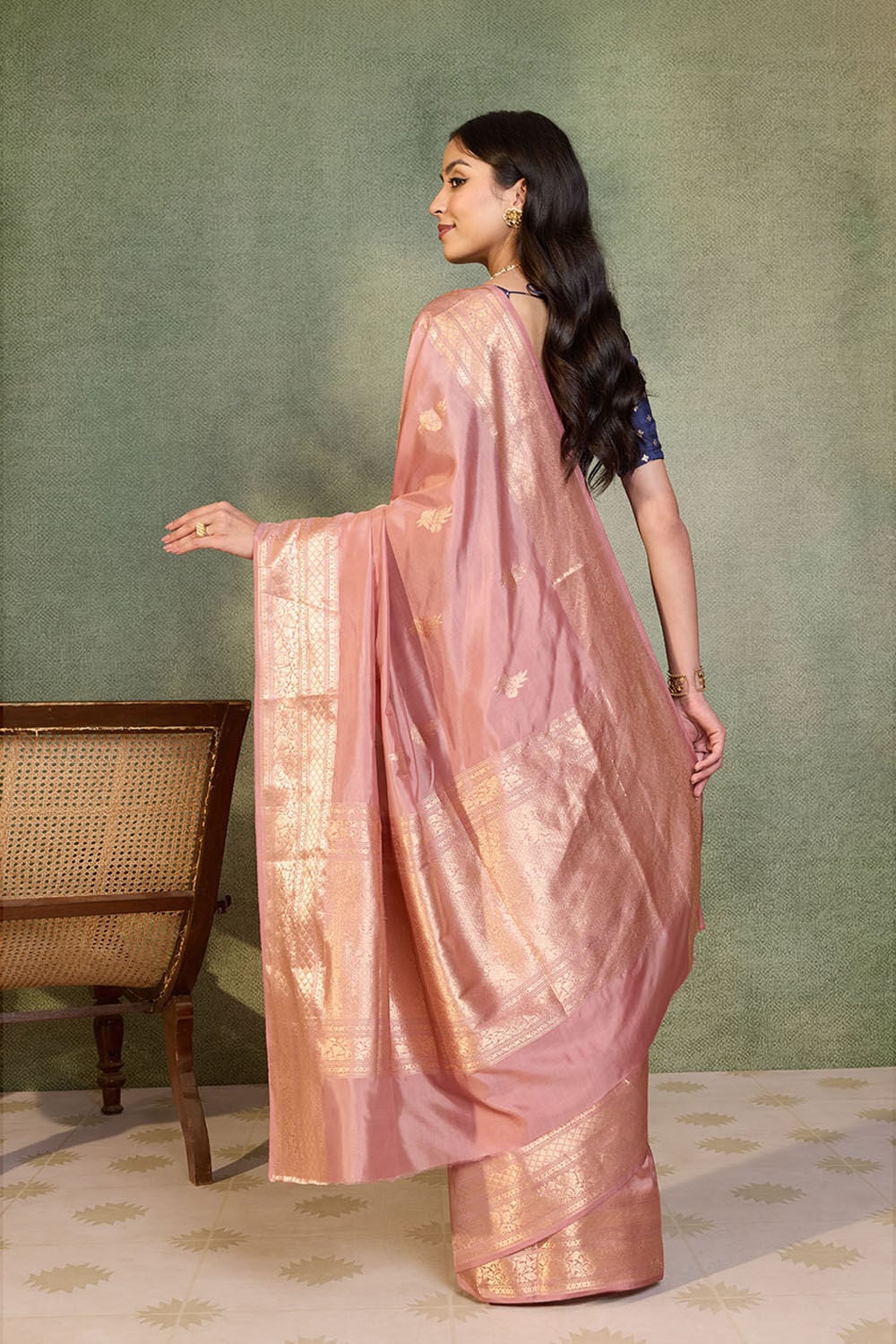
Light Pink Pure Silk Tissue Woven Kanjivaram Saree
The Light Pink Pure Silk Tissue Woven Kanjivaram Saree is the best soft choice for Varamahalakshmi Pooja, combining the richness of pure silk with the delicate shimmer of tissue weaving. The lightweight fabric offers an elegant drape, while the intricate woven design and subtle zari detailing create a festive yet sophisticated look. Its soft pink hue symbolizes grace and prosperity, making it perfect for the auspicious occasion. Blending timeless Kanjivaram craftsmanship with a luminous finish, this saree is ideal for celebrating tradition with effortless elegance.
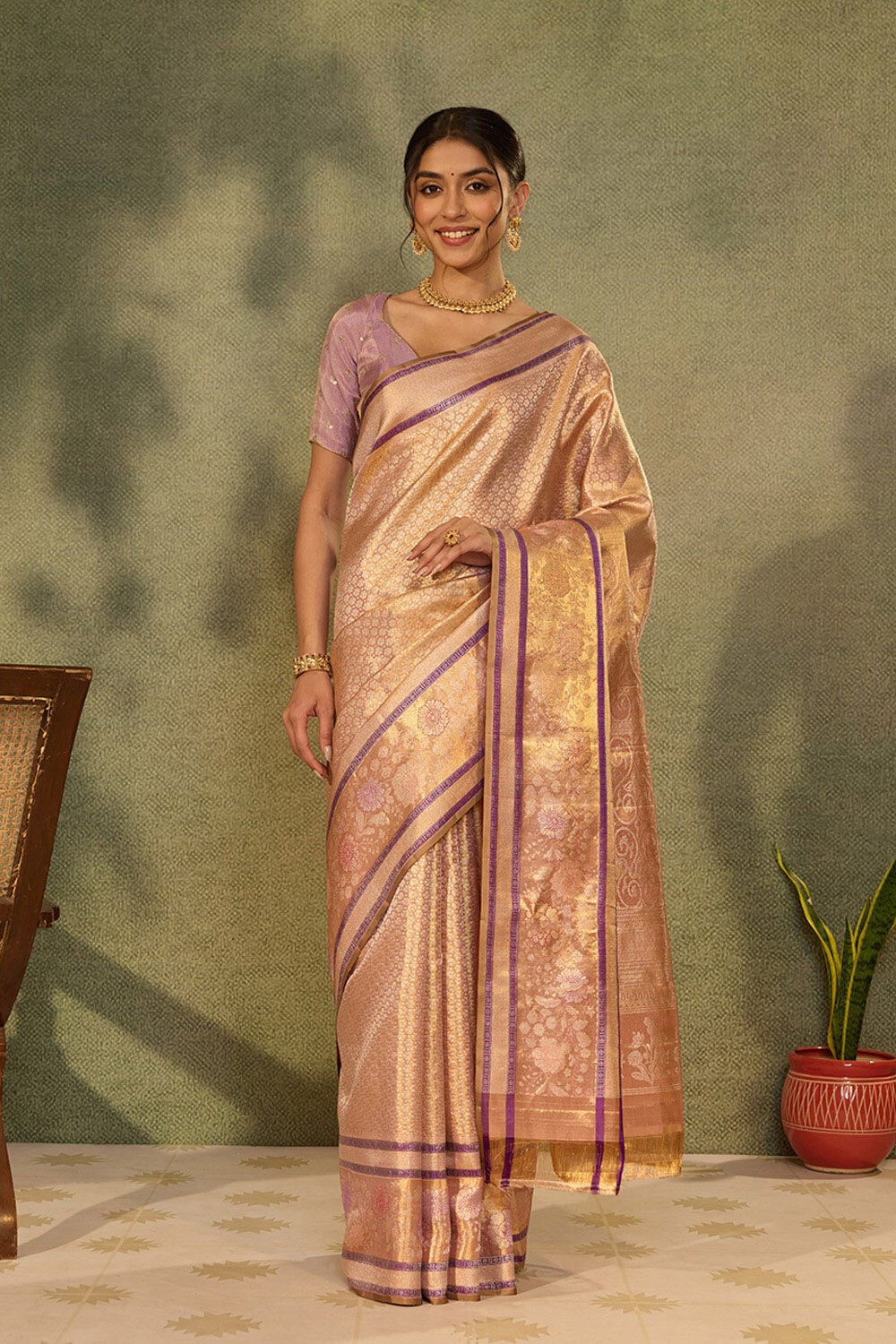
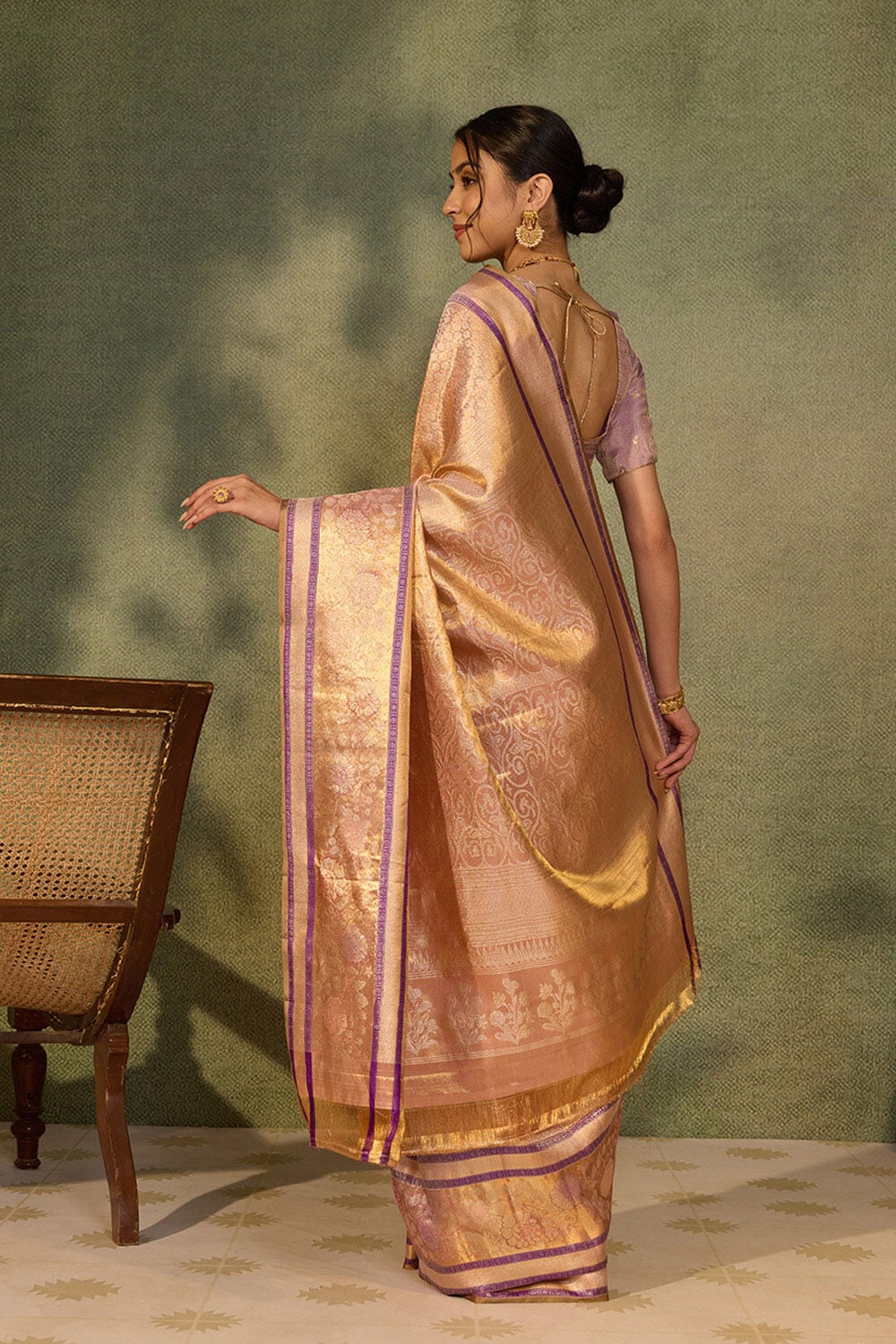
Light Pink Banarasi Inspired Design Silk Viscose Kadwa Saree
The Light Pink Banarasi-Inspired Design Silk Viscose Kadwa Saree blends the richness of Banarasi weaving with the comfort of silk-viscose fabric. The fabric offers a soft, fluid drape with a subtle sheen, making it ideal for long festive celebrations. Intricate Kadwa-inspired woven motifs and elegant zari detailing add depth and craftsmanship to the saree, while the delicate light pink hue lends a refined festive charm. It beautifully balances heritage-inspired design with everyday comfort, making it a timeless choice for the occasion.
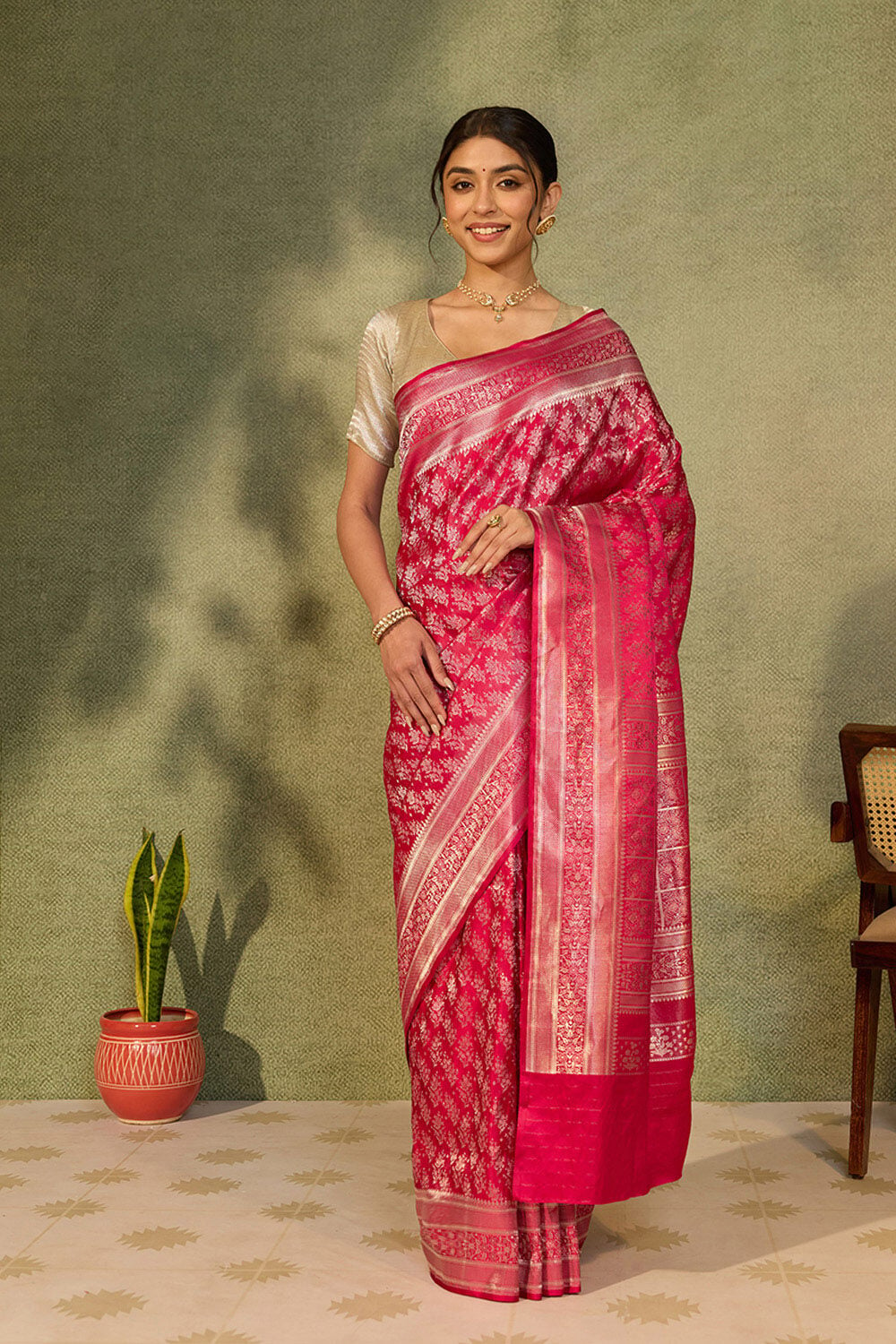
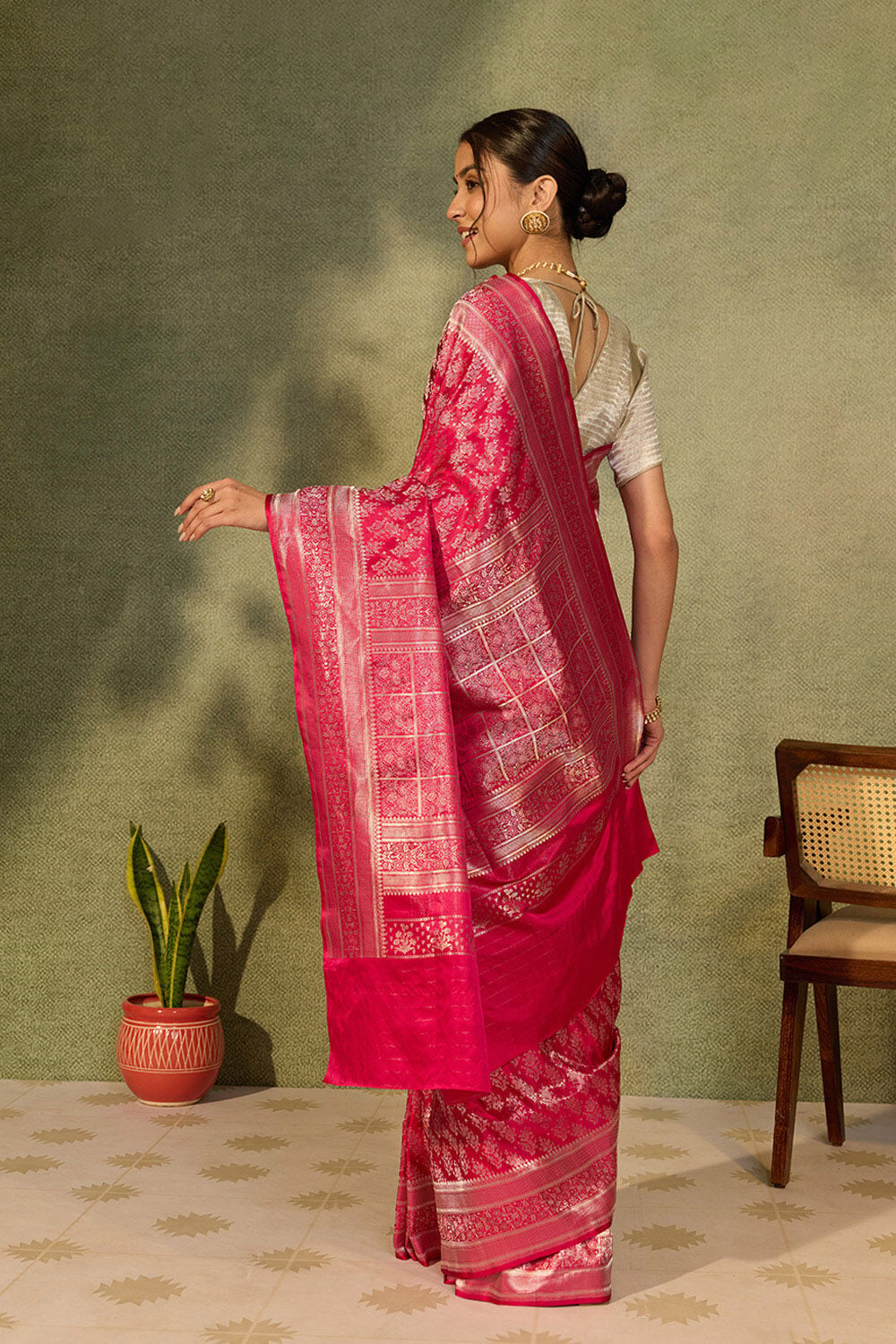
Pink Pure Silk Tanchoi Banarasi Saree
The Pink Pure Silk Tanchoi Banarasi Saree is an elegant choice for Varamahalakshmi Pooja, crafted from luxurious pure silk that offers a rich texture, natural sheen, and graceful drape. The intricate Tanchoi weave, known for its finely woven self-patterns created without floating threads, adds depth and sophistication, while the delicate zari detailing enhances its festive appeal. The vibrant pink hue symbolises joy and prosperity, making this saree a timeless blend of Banarasi craftsmanship and understated elegance for auspicious celebrations.
Kanchipuram vs Banarasi: Which One Should You Choose?
| If you want | Choose | Why |
|---|---|---|
| Something for traditional South Indian rituals and temple celebrations | Kanchipuram Saree | Rich silk, temple-inspired motifs, and gold zari make it the quintessential choice for Varamahalakshmi Pooja. |
| Lightweight elegance with intricate woven patterns | Banarasi Silk Saree | Fine silk and delicate brocade offer a graceful drape with timeless elegance. |
| A grand family pooja or traditional festive gathering | Kanchipuram Silk Saree | Its structured drape and vibrant colours create a majestic festive look. |
| Versatile festive wear for multiple occasions | Banarasi Saree | Perfect for poojas, weddings, receptions, and festive celebrations year-round. |
| A timeless heritage heirloom | Both | Whether it's a pure Kanchipuram silk saree or a handwoven Banarasi saree, both are treasured investments that can be passed down through generations. |
Styling Tips for Varamahalakshmi Pooja
Selecting your choice of saree is one thing, but getting that saree styled and making it elevate your look is a whole different story altogether. Whether you choose a Kanchipuram saree or a Banarasi saree with the right styling, accessories, and footwear, you can create an elegant Varamalakshmi look
How to style a Kanchipuram Saree for Varamalakshmi Pooja
Choose a classic blouse: Go for timeless Kanchipuram saree blouse designs, such as elbow-length sleeves, zari borders, brocade fabric, or traditional motifs to complement the saree.
Complete the look with temple jewellery: Layer a traditional temple necklace with matching jhumkas or studs to highlight the heritage craftsmanship of the saree.
Accessorise with gold bangles: Stack classic gold bangles or traditional kadas to create an auspicious festive look.
Add a kamarbandh: A beautifully crafted waist belt enhances the saree's silhouette and adds a graceful, traditional touch.
Style your hair with a gajra: A neatly tied bun adorned with fresh jasmine flowers completes the authentic Varamahalakshmi Pooja look.
These Kanchipuram saree styling tips celebrate tradition while ensuring your festive attire looks elegant, timeless, and celebration-ready.
How to Style a Banarasi Saree for Varamahalakshmi Pooja
Pick the perfect blouse: Pair your saree with a classic Banarasi saree blouse design for creating a timeless, elegant look, or experiment with a modern Banarasi saree blouse design, such as a boat neck, high neck, or statement sleeves, for a fresh festive look.
Accessorise with Polki jewellery: Polki or Kundan necklaces beautifully complement the intricate zari work of Banarasi sarees.
Wear elegant chandbalis: Statement chandbali earrings add a regal finish without overpowering the saree's intricate motifs.
Carry a traditional potli bag: An embroidered silk or zari potli bag enhances the festive aesthetic while adding functional elegance.
Complete the look with heels: Embellished block heels or classic stilettos provide graceful movement and beautifully complement the saree's flowing drape.
How to Identify an Original Kanchipuram and Banarasi Silk Saree
Getting an authentic silk saree means investing in India’s rich weaving heritage, so whether you are choosing a pure Kanchipuram silk saree for Varamalakhshmi Pooja or an elegant Banarasi silk saree for festive celebration, knowing how to identify a genuine saree can help you make an informed purchase.
| Feature | Original Kanchipuram Silk Saree | Original Banarasi Saree |
|---|---|---|
| Authenticity Mark | Look for the Silk Mark certification, which verifies that the product is made from pure silk. | Look for the GI (Geographical Indication) Tag, which certifies the saree originates from the Banaras weaving cluster. |
| Border Construction | Traditional Korvai weaving joins the contrasting border and body separately, creating a strong, durable finish. | Banarasi sarees feature seamless weaving with intricate brocade and delicate floating weft patterns. |
| Zari Work | Premium sarees use rich zari woven into bold borders and elaborate pallus. | Fine-tested zari or premium zari creates intricate floral and Mughal-inspired brocade designs. |
| Weave & Texture | A heavier weave with a structured drape, making it ideal for traditional ceremonies and heirloom collections. | A heavier weave with a structured drape, making it ideal for traditional ceremonies and heirloom collections. |
How to Identify an Original Kanchipuram Silk Saree?
To identify a pure Kanchipuram silk saree, look beyond the color and design, as authentic Kanchipuram sarees are woven from pure mulberry silk and are known for their signature Korvai borders, where the border and body are woven separately before being interlocked. This silk saree has a rich texture, comes in vibrant colors, and features intricate zari work, making it instantly recognizable.
How to Identify an Original Banarasi Saree?
Try to pay close attention to its weaving details. Authentic Banarasi sarees showcase intricate brocade patterns, floral vines, paisleys, and Mughal-inspired motifs woven directly into the fabric. Genuine Banarasi weaves are also protected by the GI Tag, which safeguards the heritage of Varanasi's renowned weaving tradition. The fine craftsmanship, detailed motifs, and luxurious silk drape distinguish an original Banarasi saree from machine-made alternatives.
Looking for more expert guidance? Learn about Different Marks on Sarees to understand certifications such as the Silk Mark, GI Tag, and other authenticity markers that help you choose genuine handcrafted sarees with confidence.
How to Store Your Silk Saree?
Store it properly: If you're wondering how to store Kanchipuram sarees, wrap them in a soft cotton or muslin cloth and keep them in a cool, dry place. Refold the saree every few months to prevent permanent creases.
Iron with care: To iron a Kanchipuram silk saree, always use a low-heat setting or place a cotton cloth over the saree before ironing. Avoid direct heat on the zari to maintain its shine.
Wash gently: When washing a Banarasi saree, try to go for professional dry cleaning, especially after festive wear. Avoid machine washing or soaking the saree, as it may damage the silk fibers and delicate zari.
Fold correctly: Fold your silk saree neatly along its natural creases and avoid hanging it for long periods. Proper folding helps retain its shape and protects the fabric from unnecessary strain.
With the right care, both Kanchipuram and Banarasi silk sarees can remain cherished heirlooms, ready to be worn for many festive celebrations to come
Explore Authentic Silk Sarees at Taneira
So it's time to celebrate Varamahalakshmi Pooja with a silk saree that reflects India's rich weaving heritage. At Taneira, shop now and explore an exquisite collection of Kanchipuram silk sarees, Banarasi silk sarees, and other handwoven masterpieces, thoughtfully crafted by skilled artisans from across the country. Every saree combines timeless craftsmanship with contemporary elegance, making it perfect for poojas, weddings, and festive celebrations.
Whether you're looking for a traditional Kanchipuram saree with bold temple borders and rich gold zari or an elegant Banarasi saree adorned with intricate brocade and floral motifs, Taneira offers authentic weaves that celebrate every occasion in style. Many of the pure silk sarees at Taneira are Silk Mark-certified, giving you the confidence of purchasing genuine silk while preserving India's handloom legacy.
Frequently Asked Questions
Which saree is better for Varamahalakshmi Pooja: Kanchipuram or Banarasi?
Both Kanchipuram silk sarees and Banarasi sarees are excellent choices for Varamahalakshmi Pooja, but the right option depends on your personal style and family traditions. A Kanchipuram saree is considered the more traditional choice for South Indian celebrations, while a Banarasi silk saree offers timeless elegance with intricate brocade craftsmanship. Kanchipuram silk sarees come with bold contrasting borders with rich gold zari and temple-inspired motifs, are best suited for traditional South Indian Varamahalakshmi Pooja, have a heavier weave to hold the pleats beautifully, and pair well with traditional gold jewellery. Banarasi silk sarees have intricate floral brocade, paisleys, and Mughal-inspired motifs, are perfect for elegant festive celebrations or weddings, offer a softer, fluid drape for a luxurious finish, and complement polki jewellery best.
What is the difference between Kanchipuram and Banarasi silk sarees?
The main differences between a Kanchipuram saree and a Banarasi saree lie in their origins, weaving techniques, fabrics, textures, and design aesthetics. Kanchipuram silk sarees are handwoven in Kanchipuram, Tamil Nadu, crafted from thick mulberry silk with a structured drape, and known for bold contrasting borders, temple motifs, checks, stripes, and traditional South Indian designs, with the body, border, and pallu often woven separately using the Korvai technique. Prices generally start from ₹8,000 and can exceed ₹1,00,000. Banarasi silk sarees are handwoven in Varanasi, Uttar Pradesh, woven from finer silk offering a softer and more fluid drape, and renowned for intricate floral brocade, paisleys, Mughal-inspired motifs, and rich zari work, featuring seamless weaving with elaborate all-over brocade patterns. Pure Banarasi silk sarees generally range from ₹10,000 to over ₹75,000, with basic handloom pieces starting around ₹9,900 and heavily worked bridal or designer pieces exceeding ₹1,00,000, depending on the craftsmanship.
Are Kanchipuram sarees more expensive than Banarasi sarees?
Not always, but pure handloom Kanchipuram sarees are often more expensive than Banarasi sarees on average because they use heavier mulberry silk and thick pure gold or silver zari. However, high-end, master-woven Banarasi pieces with dense brocade can cost just as much.
How can I identify an original Kanchipuram silk saree?
You can manually identify a Kanchipuram saree by looking for authentic craftsmanship and quality markers. Genuine Kanchipuram silk sarees are woven from pure mulberry silk and feature the traditional korvai technique, in which the body and border are woven separately and joined.
How do I identify an original Banarasi silk saree?
To understand how to identify a Banarasi saree, examine its intricate brocade weaving, floral vines, paisleys, and Mughal-inspired motifs. Authentic Banarasi sarees are handwoven and often carry a GI (Geographical Indication) Tag, certifying their origin from Varanasi. The fine silk, detailed zari work, and seamless weaving distinguish an original Banarasi silk saree from machine-made alternatives. Choosing trusted retailers like Taneira helps you shop with confidence for genuine handwoven Banarasi weaves.
Which jewellery pairs best with a Banarasi saree?
Go for traditional pieces that complement its intricate zari work. Polki, Kundan, antique gold jewellery, and statement chandbalis pair beautifully with Banarasi sarees. For weddings or festive occasions, layered necklaces, bangles, and a matching potli bag complete the regal look. The key is to let the rich brocade remain the focal point while enhancing it with elegant accessories.
Which blouse design suits a Kanchipuram saree?
Traditional Kanchipuram saree blouses with elbow-length sleeves, zari borders, and brocade fabric are timeless choices for festive occasions. If you prefer a contemporary look, boat necks, high-neck blouses, or puff sleeves can modernize the outfit while preserving its traditional appeal. Matching the blouse colour with the saree border creates a balanced and elegant festive look.
Can I wear a Banarasi saree for South Indian festivals?
Yes. Although Banarasi sarees originate from Varanasi, they are widely worn across India for weddings, religious ceremonies, and festivals, including South Indian celebrations like Varamahalakshmi Pooja. A Banarasi saree for women offers a graceful alternative to traditional regional weaves while maintaining the elegance and grandeur expected for auspicious occasions.
How should I store silk sarees after festive wear?
After wearing your silk saree, allow it to air out before storing it. Fold it neatly in a soft cotton or muslin cloth and keep it in a cool, dry place away from direct sunlight. Refold the saree every few months to avoid permanent creases, and opt for professional dry cleaning instead of frequent washing. Proper care helps preserve the silk and zari, ensuring your treasured sarees remain beautiful for years.
Where can I buy authentic Kanchipuram and Banarasi silk sarees online?
When shopping online, choose trusted brands that prioritize authentic craftsmanship and India's rich weaving heritage. You can shop online at Taneira, which offers some of the best collections of handwoven Kanchipuram silk sarees and Banarasi sarees, crafted by skilled artisans across India.

