Why Green? The Real Meaning Behind the Hariyali Teej Saree
Hariyali Teej is one of India's most beautiful festivals, celebrating the divine union of Goddess Parvati and Lord Shiva. As the name Hariyali means "greenery," the festival is closely associated with nature, prosperity, renewal, and marital bliss. This is why wearing a Hariyali Teej saree, especially in shades of green, has become a timeless tradition during the Sawan festival.
More than just a festive outfit, a green saree for Hariyali Teej symbolises devotion, hope, happiness, and new beginnings. Whether you prefer a classic green silk saree, a vibrant Bandhani weave, or a graceful organza drape, choosing the right Teej saree helps you celebrate the festival while embracing India's rich textile heritage.
At Taneira, find a perfect green saree for Teej in luxurious silks, Banarasi, cotton, chiffon, and more.
What is Hariyali Teej?
Hariyali Teej is one of India's most cherished monsoon festivals, being celebrated during the holy month of Sawan (Shravan). The word Hariyali means "greenery", symbolizing the lush landscapes brought by the rainy season and representing prosperity, renewal, and new beginnings.
Hariyali Teej festival is primarily dedicated to Goddess Parvati and Lord Shiva, honouring their divine union and Parvati's unwavering devotion after years of penance to reunite with Lord Shiva.
The festival is widely celebrated in the states of Rajasthan, Uttar Pradesh, Madhya Pradesh, Bihar, Haryana, and several other parts of North India. While customs may vary by region, the essence of Hariyali Teej remains the same: celebrating love, marital bliss, and the beauty of nature.
Married women observe the festival for the well-being and longevity of their husbands, while many unmarried women also participate, praying for a loving and compatible life partner.
Hariali Teek Rituals and Traditions
Hariyali Teej brings together faith, culture, love, union, and celebration. Some of the most important rituals include
Fasting (Vrat): Women observe a fast as an expression of devotion to Goddess Parvati and seek blessings for a happy married life or a suitable future partner.
Mehendi (Henna): Beautiful mehendi designs are applied to hands and feet, symbolizing joy, beauty, and auspiciousness.
Jhula (Swings): Beautifully decorated swings are hung from trees, allowing women to celebrate the arrival of the monsoon with songs and festivities.
Prayer and Worship: Devotees perform puja for Lord Shiva and Goddess Parvati, offering flowers, fruits, sweets, and prayers for prosperity and family well-being.
Traditional Attire: Dressing in festive clothing is an integral part of the celebration. Many women choose a Hariyali Teej saree, particularly a green color saree for Hariyali Teej, as green symbolizes fertility, harmony, prosperity, and the abundance of nature. Completing the Hariyali Teej outfit with green bangles, floral accessories, and traditional jewellery reflects the cultural and spiritual importance of the festival.
Why Green Colour is worn on Hariyali Teej?
Green is more than just the traditional color of Hariyali Teej; it is a powerful symbol of nature, spirituality, and celebration. As the festival arrives during the lush monsoon season, wearing a saree in shades of green reflects the beauty of the earth after the rains and honors the deeper cultural values associated with the occasion. From representing prosperity and renewal to celebrating the divine love of Lord Shiva and Goddess Parvati, the color green lies at the heart of every Hariyali Teej outfit.
Green Symbolizes
Fertility and abundance
Prosperity and good fortune
Growth in life and relationships
Renewal and fresh beginnings
Hope for the future
Happiness and celebration
Marital bliss and lifelong companionship
Goddess Parvati's Connection with Green
The significance of wearing green on the festival of Hariyali Teej is deeply rooted in the story of Goddess Parvati and Lord Shiva. According to mythology, Goddess Parvati performed years of unwavering penance and devotion before Lord Shiva accepted Maa Parvati as his wife. Her perseverance, patience, and faith are central to the festival's significance.
Green represents these very qualities - steadfast devotion, emotional strength, and the sacred bond of marriage. By wearing a Hariyali Teej saree or a green saree for Hariyali Teej, women honor Goddess Parvati's journey and seek her blessings for love, happiness, marital harmony, and a prosperous future.
Festive Silk Sarees to Celebrate Hariyali Teej with Taneira
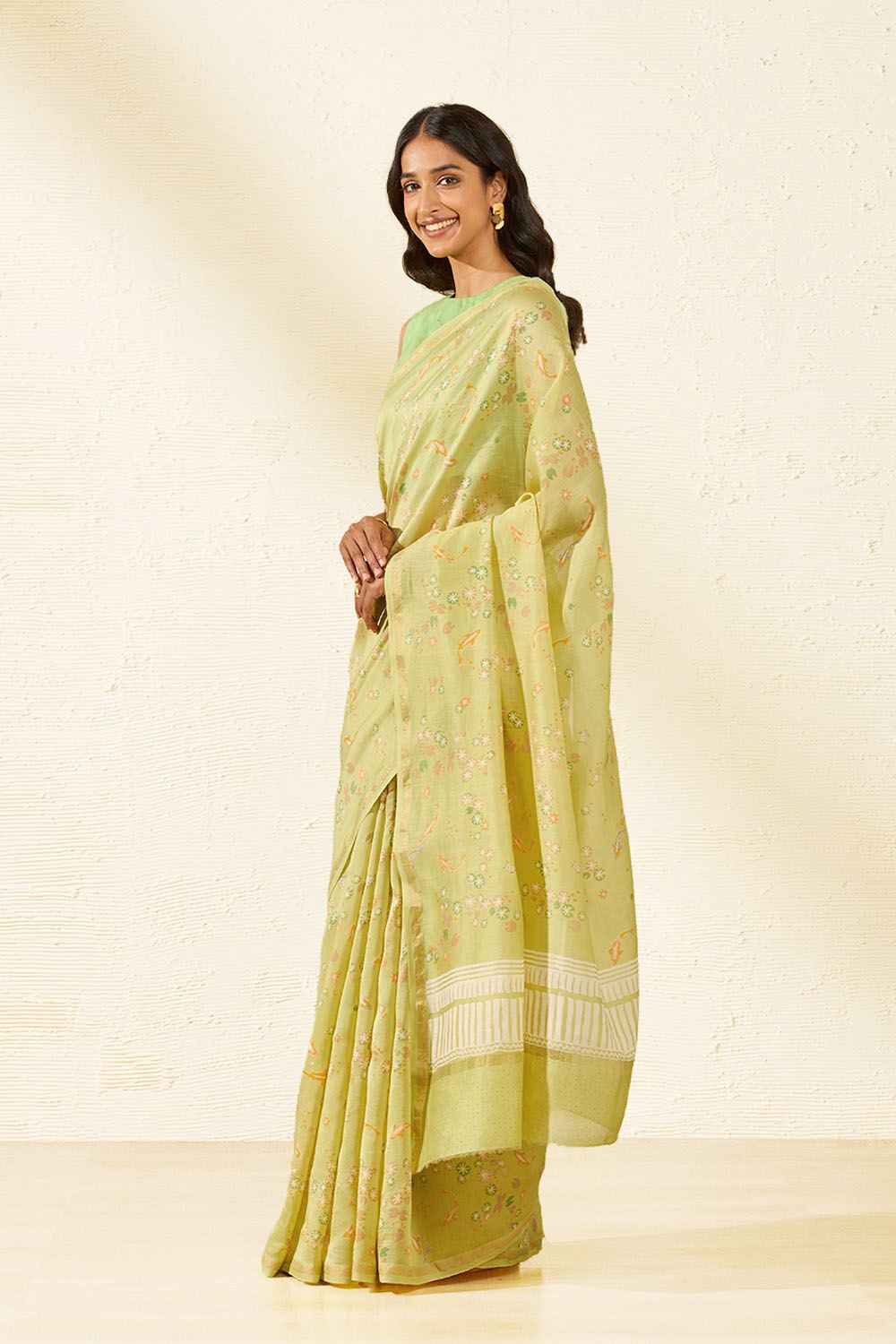
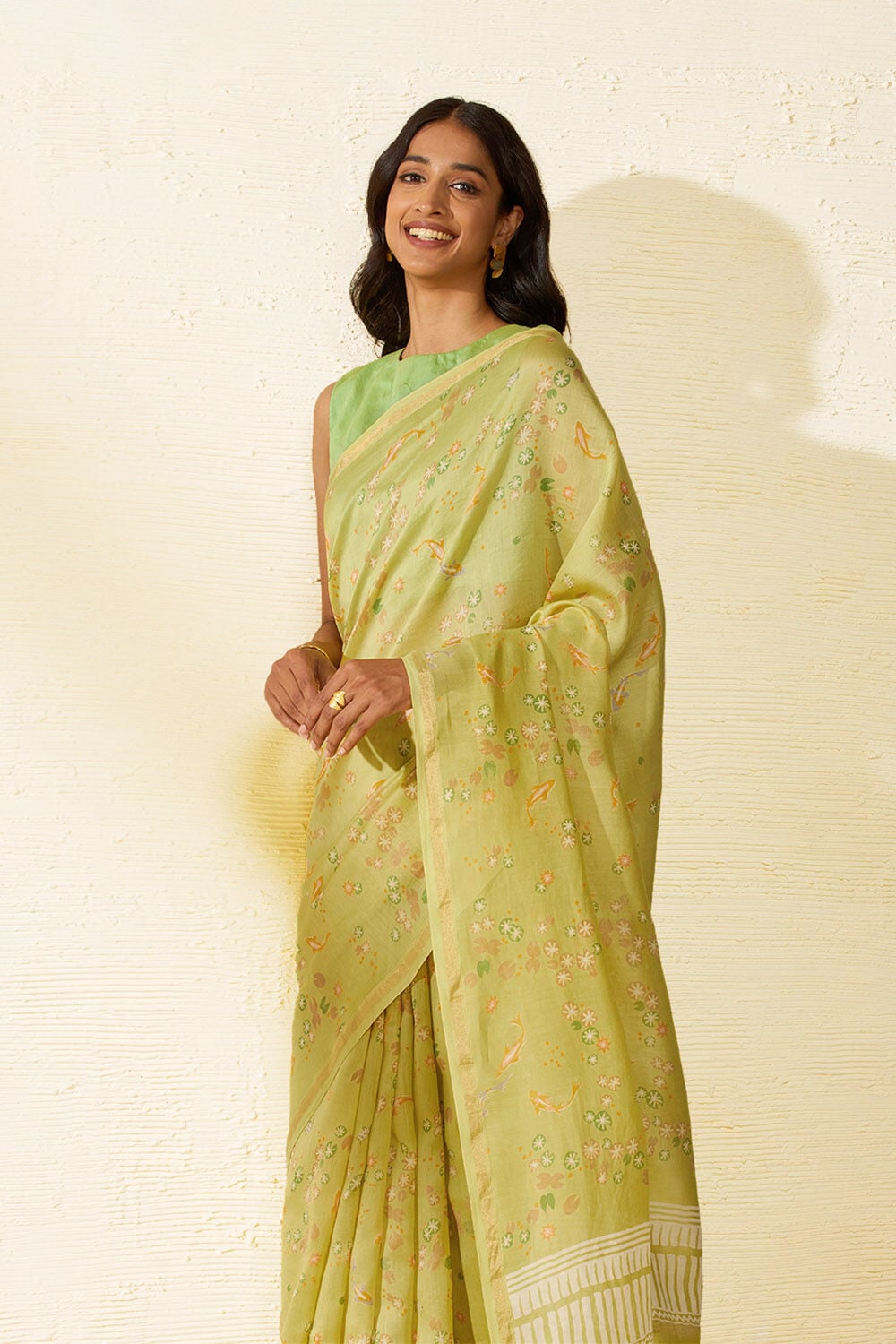
Light Green Bagru Screen Printed Pure Silk Cotton Saree with Unstitched Blouse Piece
Inspired by Rajasthan's timeless Bagru print tradition, Taneira's Light Green Bagru Screen Printed Pure Silk Cotton Saree blends the breathability of pure silk-cotton with elegant Bagru screen-printed motifs. The lightweight fabric offers all-day comfort for monsoon festivities, while the refreshing light green hue beautifully complements the spirit of Hariyali Teej. Paired with a matching unstitched blouse, it's an effortless choice for a graceful, contemporary festive look.
Dark Green Woven Pure Silk Cotton Chanderi Saree
Rich in colour and timeless in appeal, check out Taneira's Dark Green Woven Pure Silk Cotton Chanderi Saree, an elegant choice for festive occasions. Crafted from pure silk-cotton Chanderi, it offers a lightweight feel, a graceful drape, and a subtle sheen. The intricate woven design, delicate tested zari detailing, and matching unstitched blouse piece add a refined festive touch, while the deep green hue beautifully captures the essence of Hariyali Teej and other monsoon celebrations.


Green Woven South Pure Silk Cotton Saree
Rooted in the elegance of South Indian weaving traditions, Taneira's Green Woven South Pure Silk Cotton Saree beautifully balances festive luxury with everyday comfort. Crafted from pure silk-cotton, this green saree for Hariyali Teej is lightweight, with the richness of silk and the breathability of cotton. The intricate woven design, subtle tested zari detailing, and matching unstitched blouse piece make it a graceful choice for Hariyali Teej, blending timeless craftsmanship with effortless festive style.
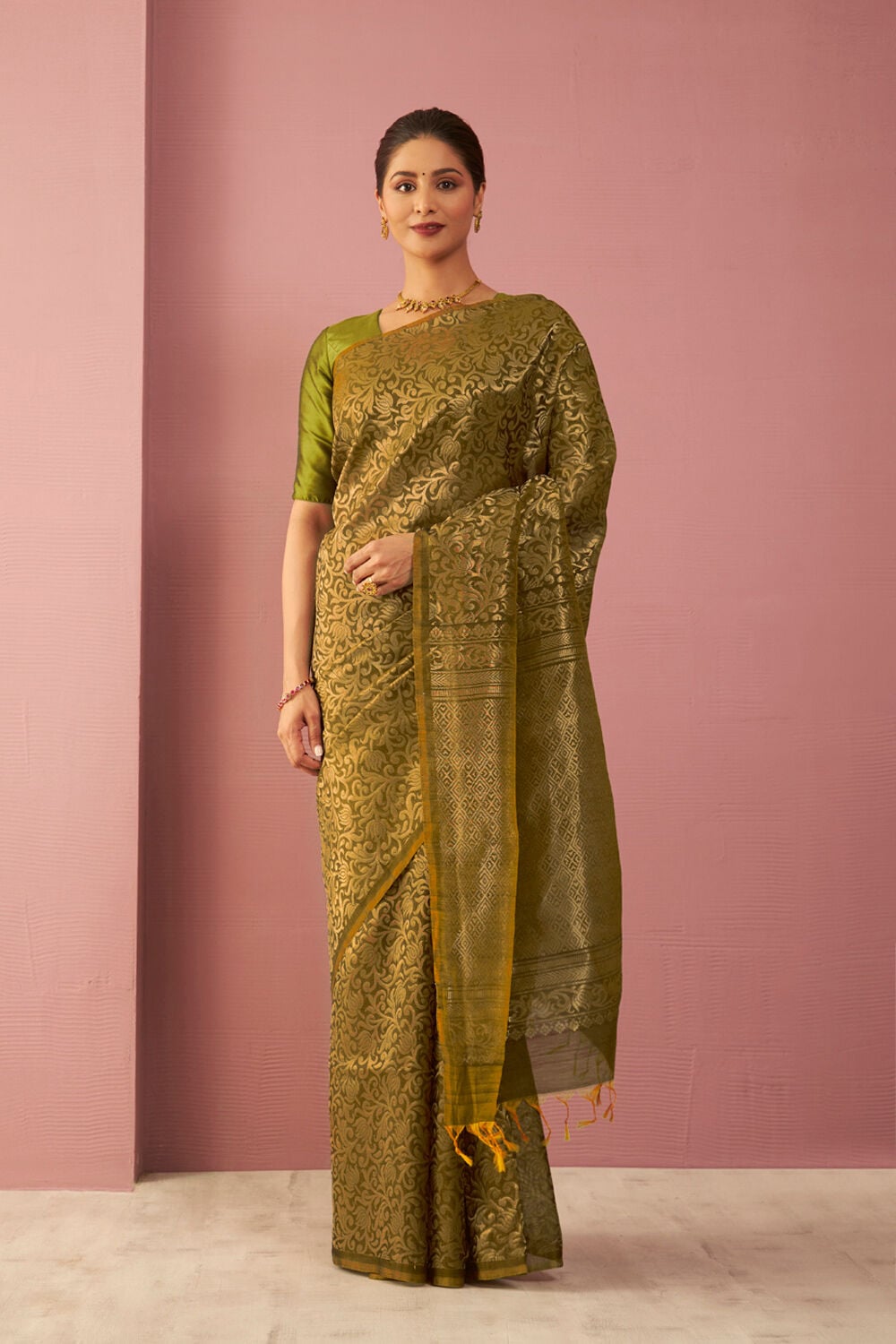
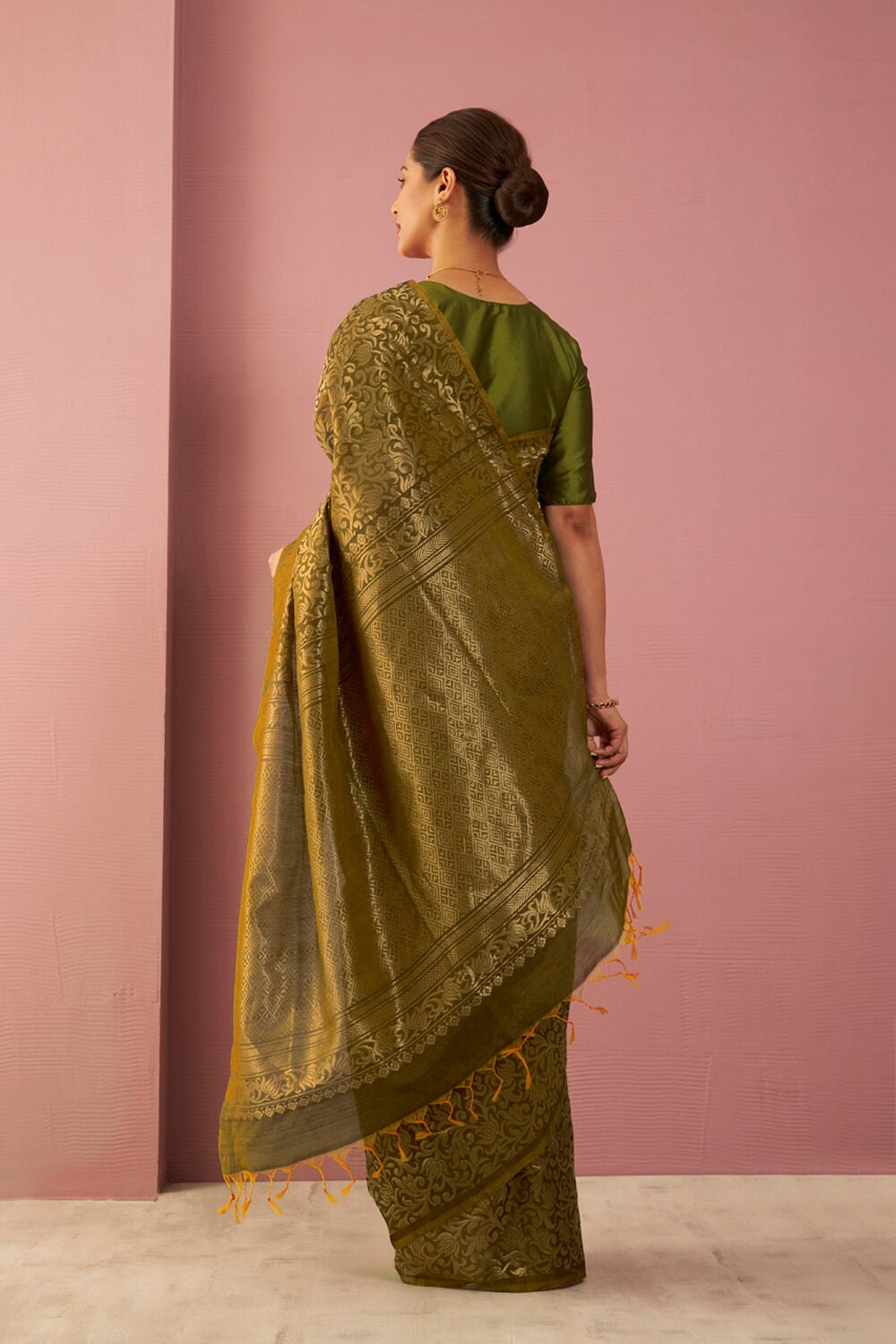
Dark Green Pure Silk Woven Banarasi Saree
Steeped in Banarasi heritage, Taneira's Dark Green Pure Silk Woven Banarasi Saree is a timeless festive classic for Hariyali Teej. Crafted from pure silk, it is prized for its rich texture, natural luster, and graceful drape that lends an elegant, regal look. The intricate woven Banarasi craftsmanship, faux-zari detailing, and matching unstitched blouse piece enhance its festive appeal, while the deep green hue symbolizes prosperity, harmony, and new beginnings, making it a beautiful choice for Teej pujas and family celebrations.


The Spiritual Meaning Behind the Hariyali Teej Saree
A Hariyali Teej saree is more than festive attire; it's a celebration of faith, devotion, and the cultural values associated with the Sawan festival. Wearing a green saree for Hariyali Teej symbolizes a deep connection with nature, spirituality, and the blessings of Goddess Parvati.
A Tribute to Nature: Green represents the lush greenery of the monsoon, making the saree a symbol of gratitude for nature's abundance, growth, and prosperity.
Celebration of Feminine Energy: Hariyali Teej honors Goddess Parvati's strength, patience, and unwavering devotion. Wearing a green saree celebrates feminine grace, resilience, and inner strength.
Harmony Between Nature and Tradition: The festival beautifully blends the beauty of the monsoon with age-old customs. A Hariyali Teej saree reflects this harmony by connecting seasonal celebrations with timeless cultural traditions.
A Symbol of Faith and Devotion: Draping a Teej saree during prayers and rituals is a meaningful expression of devotion to Lord Shiva and Goddess Parvati, while seeking blessings for happiness, prosperity, and marital harmony.
A Reflection of Cultural Heritage: Whether it's a green silk saree, Bandhani, Banarasi, or Maheshwari weave, every saree carries India's rich textile traditions, making it a timeless part of the Hariyali Teej outfit.
Different Shades of Green for Hariyali Teej Sarees
Choosing the right shade of green can make your Hariyali Teej celebration even more special.
Emerald Green Saree
You can try green sarees in shades like emerald green, which is a sophisticated choice for women who love classic festive dressing. Its rich jewel tone symbolizes prosperity, confidence, and celebration, making it perfect for Hariyali Teej pujas, family gatherings, and evening festivities. Choose luxurious fabrics like Banarasi silk, silk, or tissue to create an elegant, traditional Teej look, and pair it with gold or Kundan jewelry for a regal finish.
Bottle Green Saree
Bottle green is one of the most popular colors for Hariyali Teej, thanks to its rich and auspicious appearance. It beautifully reflects the spiritual essence of the festival while offering a timeless traditional appeal. A green silk saree in bottle green, in Banarasi, handloom, or silk fabric, can look beautiful when paired with green bangles, a classic bindi, and temple jewelry.
Mehendi Green Saree
Inspired by the deep green color of henna, the mehendi green saree has become synonymous with Hariyali Teej. Since applying mehendi is one of the festival's most cherished traditions, this earthy shade perfectly complements the occasion.
Whether you choose a cotton, linen, or organza saree, this color embodies the true significance of green sarees, representing fertility, happiness, harmony, and new beginnings. It is an excellent choice for anyone seeking an authentic traditional Teej look.
Olive Green Saree
For those who enjoy blending tradition with modern fashion, an olive green saree offers a refreshing alternative. This subtle shade is elegant yet understated, making it ideal for daytime celebrations and intimate family gatherings during the Sawan festival.
You can try lightweight organza, chiffon, and linen fabrics to enhance the contemporary feel while maintaining the festive spirit. Pair the look with delicate jewelry and minimal makeup for effortless elegance.
Pastel Green Saree
Pastel green sarees are perfect for women who appreciate understated festive fashion. Soft, refreshing, and graceful, this shade captures the freshness of the monsoon while offering a modern take on festive sarees.
Choose airy fabrics like organza, chiffon, or cotton for all-day comfort, especially during daytime Hariyali Teej celebrations. Style your pastel green saree with pearl jewelry, floral accessories, and soft makeup to create a refined yet festive appearance.
How to Choose the Right Fabric for Hariyali Teej Saree?
The beauty of the Teej saree lies not only in the color but also in the fabric, so depending on the celebration and personal style, you can choose from
A Banarasi green saree which has a rich woven design, making it perfect for festive occasions.
Silk green sarees are a perfect choice for an appealing and regal look
Fabrics like organza, chiffon, linen, and tissue are lightweight, comfortable, and breathable, fitting for daytime rituals and bringing the essence of modern dressing too. So if you want some comfort, subtle shimmer, and an effortless look for Teej, you can choose any of these fabrics.
How to Style a Hariyali Teej Saree
Jewellery
You can try gold jewelry in necklaces, jhumkas, and bangles; pair them beautifully with a festive saree
You can also add Kundan jewellery to add a royal touch to your green saree look, especially if you are wearing a Banarasi saree or silk saree.
Makeup
Opt for a natural, dewy base with subtle highlighter.
Define your eyes with kohl or kajal for a classic Indian festive appearance.
A bold red or deep berry lipstick adds a striking contrast to green sarees and completes the festive makeup.
Hairstyles
A low bun adorned with jasmine or roses offers a timeless festive appeal.
Try loose curls to create an elegant and contemporary festive look.
Accessories
The right accessories complete your traditional Teej look while reflecting the green saree significance associated with the festival.
Green Bangles: A symbol of prosperity, happiness, and marital bliss.
Bindi: Choose a classic red or green bindi to enhance your festive appearance.
Anklets (Payal): Delicate silver anklets add a graceful traditional touch.
Potli Bags: Carry an embroidered or embellished potli bag that complements your festive saree and jewelry.
Regional Hariyali Teej Saree Traditions Across India
While the essence and significance of Hariyali Teej remain the same across India, every state celebrates the festival with its own customs, values, and beliefs. From colorful bandhani drapes in Rajasthan to elegant
| State | Popular saree style | Why it's perfect for Hairyali Teej |
|---|---|---|
| Rajsthan | Bandhani Saree | Known for its vibrant tie-dye patterns rooted in Rajasthani culture, it is one of the popular Teej saree choices. |
| Uttar Pradesh | Banarasi saree | Banarasi silk sarees are admired for their luxurious zari work and timeless elegance. A green Banarasi silk saree for Hariyali Teej is perfect for festive prayers, family gatherings, and evening celebrations. |
| Bihar | Tussar Silk saree | Famous for its natural texture and understated elegance, Tussar silk offers a graceful festive look. Green Tussar sarees beautifully blend tradition with comfort, making them ideal for Hariyali Teej celebrations. |
| Madhya Pradesh | Maheshwari Saree | Lightweight and elegant, Maheshwari sarees feature delicate borders and fine craftsmanship. A green Maheshwari saree is perfect for women seeking a sophisticated yet comfortable Hariyali Teej outfit. |
| Haryana | Cotton & Silk Sarees | Haryana embraces simple yet elegant festive dressing. Cotton and silk sarees in vibrant green shades are widely worn during Hariyali Teej, offering comfort for day-long rituals while preserving a classic traditional Teej look. |
Celebrate Hariyali Teej with Taneira's Timeless Green Saree Collection
Explore Taneira's festive collection and find the perfect Hariyali Teej saree that celebrates the green saree for prosperity, renewal, and devotion, making your Sawan festival celebrations truly memorable.
Choosing the Perfect Hariyali Teej Saree
Choose the right fabric for a green saree for Hariyali Teej, such as banarasi, silk, chiffon, cotton, linen, etc. Select a fabric that can enhance comfort for the occasion.
Since Hariyali Teej falls during the Sawan festival, choose fabrics that are easy to drape and suitable for the monsoon season.
From emerald and bottle green to mehendi and pastel hues, choose a color that complements your skin tone and reflects the green saree significance of prosperity and renewal.
Explore Taneira's Festive Collection.
Celebrate Hariyali Teej in timeless elegance with Taneira's curated collection of green sarees for Teej. Discover handcrafted weaves, luxurious silks, lightweight organzas, and contemporary festive styles that help you create the perfect Hariyali Teej outfit for every celebration.
Frequently Asked Questions
What to Do on Hariyali Teej?
Hariyali Teej is celebrated with devotion, cultural traditions, and festive gatherings. Some of the common rituals include: Observe the Hariyali Teej fast (vrat) for the well-being of your spouse or to seek a suitable life partner. Offer prayers to Lord Shiva and Goddess Parvati. Apply mehendi (henna) on your hands and feet. Wear a green saree for Hariyali Teej or a traditional Teej saree along with green bangles and festive jewelry. Enjoy swings (jhulas), sing traditional folk songs, and celebrate with family and friends. Offer sweets, fruits, flowers, and prayers during the puja. Seek blessings for happiness, prosperity, and marital harmony.
Where Can I Buy Green Sarees for Teej?
If you're looking for elegant green sarees for Teej, explore Taneira's festive saree collection. From luxurious green silk sarees and timeless Banarasi weaves to handcrafted Bandhani, Maheshwari, Tussar silk, organza, cotton, and linen sarees, Taneira offers a wide selection to suit every celebration. Whether you prefer a classic Hariyali Teej saree for traditional rituals or a contemporary drape for festive gatherings, Taneira's collection combines authentic Indian craftsmanship with modern elegance. Complete your Hariyali Teej outfit with matching jewelry and accessories to create a graceful traditional Teej look that celebrates the spirit of the Sawan festival.
When is Hariyali Teej?
Hariyali Teej is celebrated during the Hindu month of Shravan (Sawan), typically falling in July or August, depending on the lunar calendar. The festival marks the arrival of the monsoon and commemorates the divine union of Goddess Parvati and Lord Shiva. It is widely celebrated across Rajasthan, Uttar Pradesh, Bihar, Haryana, Madhya Pradesh, and other parts of North India. Women dress in a traditional Hariyali Teej saree, apply mehendi, observe fasts, and participate in festive rituals.
Why do women wear green on Hariyali Teej?
Women wear a green saree for Hariyali Teej because green symbolizes nature, prosperity, fertility, and new beginnings of life. Hariyali Teej is celebrated in the Sawan season, which is the month of the moon, when the monsoon brings greenery everywhere.
What does the green saree symbolise?
A Hariyali Teej saree symbolizes prosperity, growth, renewal, hope, and devotion. The green saree significance is deeply rooted in Indian culture, where green represents abundance, positive energy, and the beauty of nature. It also reflects the sacred bond between Goddess Parvati and Lord Shiva.
Which saree is best for Hariyali Teej?
The best Teej saree depends on your style and the occasion. Traditional choices include green silk sarees, Banarasi, Bandhani, Maheshwari, and Tussar silk sarees. For a lighter festive look, organza, chiffon, cotton, and linen sarees are also excellent options for creating an elegant Hariyali Teej outfit.
Can unmarried women wear green on Hariyali Teej?
Yes, unmarried women can absolutely wear a green saree for Hariyali Teej and participate in the celebrations. Many observe the festival and pray to Goddess Parvati for a loving and compatible life partner while embracing the traditions of the Sawan festival.
Is green mandatory for Hariyali Teej?
No, wearing green is not mandatory, but it is the most traditional and auspicious color for Hariyali Teej. Since green symbolizes prosperity, fertility, and renewal, many women choose a Hariyali Teej saree in shades like emerald, bottle green, or mehendi green to honor the festival's traditions.
What is the significance of Hariyali Teej?
Hariyali Teej is a sacred Hindu festival celebrated during the Sawan festival to commemorate the reunion of Goddess Parvati and Lord Shiva. The festival symbolizes love, devotion, marital harmony, and the arrival of the monsoon. Women celebrate with fasting, prayers, mehendi, and traditional festive attire, including the iconic Hariyali Teej saree.
What does green symbolize in Indian festivals?
In Indian festivals, green symbolizes prosperity, fertility, renewal, harmony, hope, and abundance. During Hariyali Teej, the green saree's significance is closely associated with nature, the monsoon season, and the blessings of Goddess Parvati for a happy and prosperous life.
Can unmarried women celebrate Hariyali Teej?
Yes, unmarried women are encouraged to celebrate Hariyali Teej. Many observe the rituals and wear a Hariyali Teej saree or other traditional attire while praying to Goddess Parvati for a suitable life partner, happiness, and a prosperous future. The festival is a celebration of devotion, faith, and new beginnings for women of all ages.

