Varalakshmi Pooja After Marriage: How to Celebrate & What to Wear
The first Varalakshmi pooja after marriage is a meaningful occasion for many newlywed women. Dedicated to Goddess Varalakshmi, a form of Goddess Lakshmi, the vratam is traditionally observed to seek blessings for prosperity, well-being, happiness and family harmony.
For a newlywed, it can also be a beautiful way to become part of her new family's traditions and learn the rituals passed down through generations. From preparing the kalasam and offering naivedyam to wearing a beautiful saree and sharing thamboolam, each part of the celebration adds to the day's significance.
If you are preparing for your first Varalakshmi pooja, this blog covers the key rituals, saree fabrics, colors, and styling ideas to help you choose an outfit that feels both traditional and personal.
How Is the First Varalakshmi Pooja After Marriage Celebrated?
While the exact customs vary, the first Varalakshmi pooja usually includes several important rituals.
Preparing the Kalasam: A decorated kalasam is prepared as a symbolic representation of Goddess Varalakshmi. Depending on family tradition, it may be filled with water or rice and decorated with mango leaves, coconut, flowers, jewelry, and a saree or fabric. The kalasam or the kalash becomes the central element of the pooja and is decorated with care to create an auspicious and beautiful setting.
Observing the Vratam: Many women observe a fast as part of Varalakshmi Vratham. The nature and duration of the fast can vary according to family customs, health considerations and personal practice. The fasting is traditionally accompanied by prayers and the completion of the prescribed pooja rituals.
Tying the Yellow Saradu: One of the recognizable traditions associated with Varalakshmi Vratham is the tying of the yellow saradu, a sacred thread traditionally featuring nine knots. It is tied after the pooja as part of the ritual and is associated with seeking the blessings of Goddess Varalakshmi.
Offering Naivedyam: Traditional sweets, fruits and other homemade preparations are offered as naivedyam to the goddess. The specific dishes vary across communities and households. After the pooja, the offerings are shared as prasad among family members.
Sharing Vayana or Thamboolam: Another cherished custom is offering vayana or thamboolam to other married women. This may include items such as betel leaves, areca nuts, turmeric, kumkum, fruits, flowers, and other traditional gifts.
For many families, this practice makes the celebration a beautiful occasion for women to come together and share blessings.
What Should a Newlywed Wear for Varalakshmi Pooja?
Choosing the right outfit for Varalakshmi is very important, and nothing can beat the essence and elegance of a saree. So, for the first Varalakshmi pooja after marriage, since the occasion is traditional and auspicious, a saree with an elegant weave, rich colors, or classic motifs can be an ideal choice.
Traditional Sarees: For a classic and festive Varalakshmi look, traditional sarees are a timeless choice. Fabrics such as pure silk and Kanjivaram-inspired weaves are known for their rich texture, beautiful drape, and traditional appeal. Zari borders, intricate motifs, and statement pallus can add a grand touch, making them especially suitable if you want a more ceremonial look for your first Varalakshmi pooja.
Handloom Sarees: If you prefer something traditional yet understated, a handloom saree is a beautiful option. Handwoven sarees are valued for their craftsmanship, distinctive textures, and comfortable drape. Silk-cotton, cotton-silk and other handloom varieties can give you an elegant festive look without feeling too heavy, making them practical for a day filled with pooja rituals and family gatherings.
Cotton Sarees: Cotton sarees are ideal if comfort is your priority, especially during warmer weather. They are lightweight, breathable and easy to carry throughout the day. Traditional cotton sarees with woven borders, motifs or subtle zari details can look festive while keeping the overall outfit simple and graceful. Pair one with gold jewellery and fresh flowers for a classic pooja look.
Organza Sarees: For a lighter and more contemporary festive look, organza sarees are an elegant choice. Known for their lightweight, sheer and slightly structured texture, organza sarees create a graceful silhouette and hold their shape beautifully. Choose one with floral motifs, zari borders or delicate woven detailing for a refined Varalakshmi outfit that feels traditional with a modern touch.
Chanderi Sarees: Chanderi sarees are known for their lightweight texture, subtle sheen and delicate appearance. Their graceful drape makes them well suited to a daytime pooja, while zari or traditional motifs can add enough festive detail for the occasion. A Chanderi saree paired with classic jewellery can create an effortlessly elegant look.
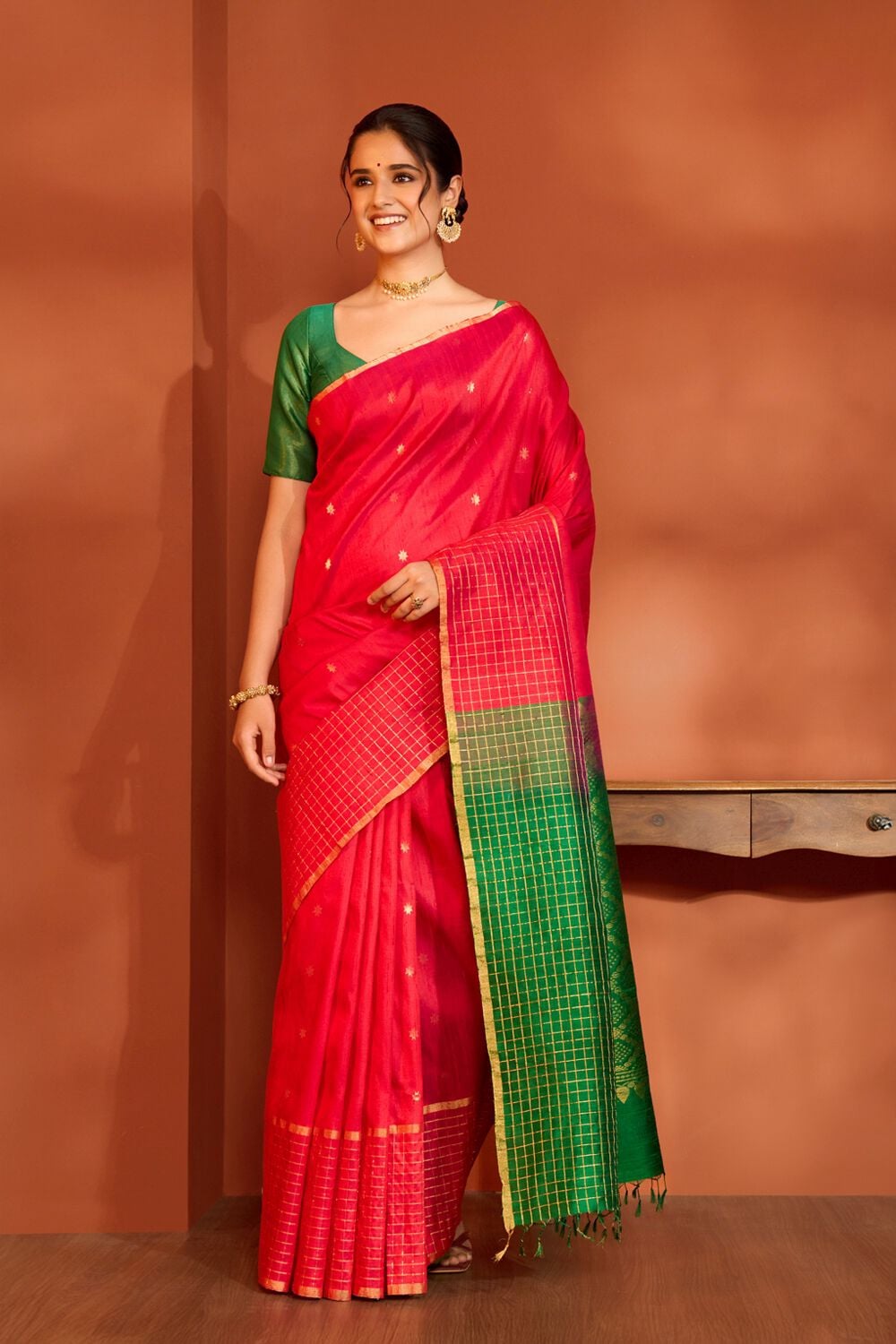
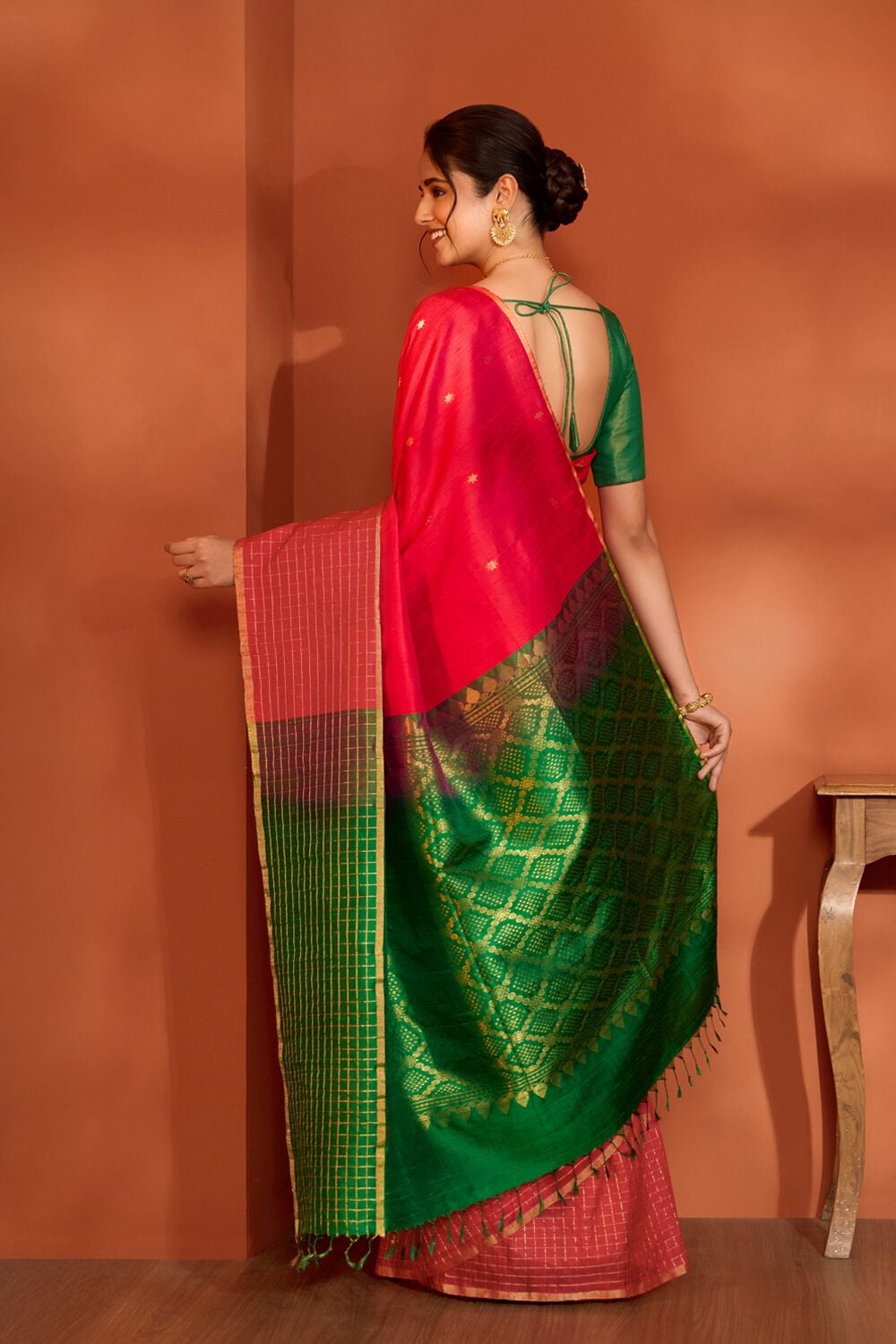
Red Woven Pure Silk Tussar Saree
The Red Woven Pure Silk Tussar Saree is an elegant choice for a newly married woman who is celebrating her first Varamahalakshmi Pooja. Being crafted from pure Tussar silk, it features rich woven detailing that gives the saree a luxurious texture and graceful drape. The auspicious red hue adds a traditional festive touch, making it especially meaningful for a newlywed’s first Varamahalakshmi celebration. Style it with gold jewellery, traditional bangles, and fresh flowers for a timeless pooja look.
Pink Kanjeevarm Silk Saree with Unstitched Blouse Piece
Check out this perfect Pink Kanjeevarm Silk Saree is a timeless choice for festive celebrations, crafted in rich Kanjeevarm silk with a graceful drape and traditional appeal. Its vibrant pink colour brings a joyful and auspicious touch to your festive wardrobe, while the zari detailing adds a subtle sense of richness and elegance. Perfect as a Varamahalakshmi saree, this piece features luxurious silk texture and traditional craftsmanship, making it ideal for pooja celebrations. Pair this classic silk saree with gold jewellery, traditional bangles, and fresh flowers for a beautiful festive look.
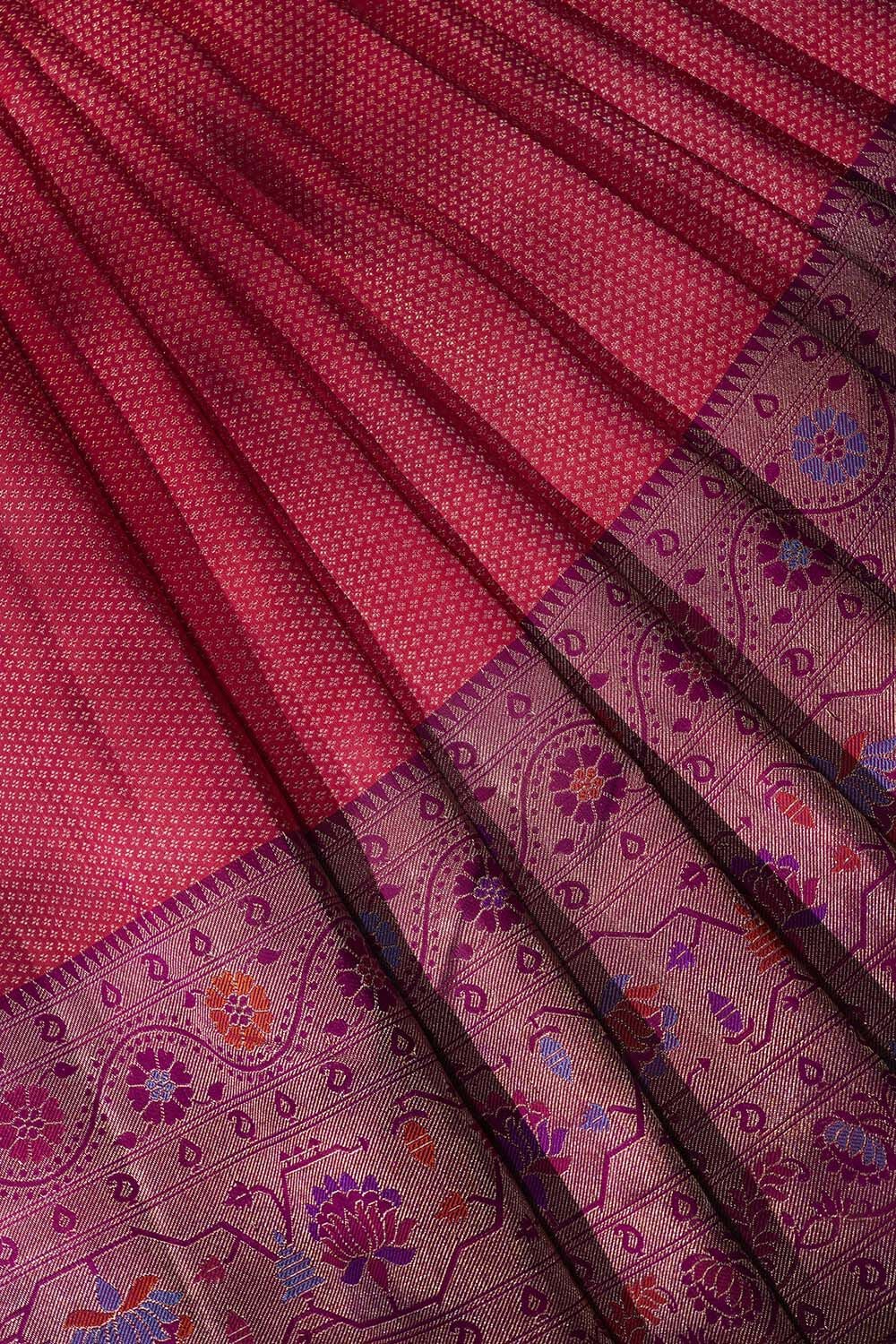
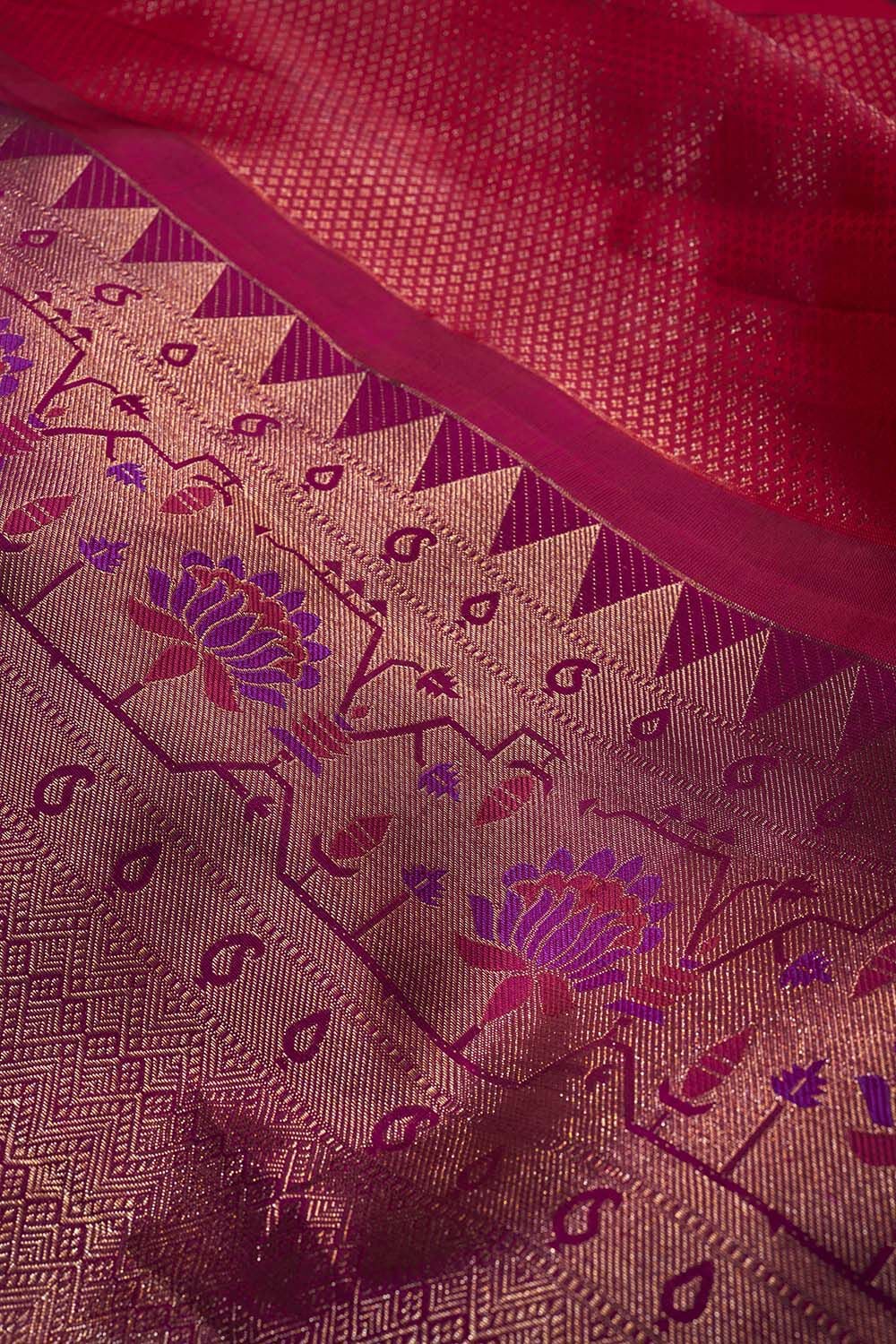
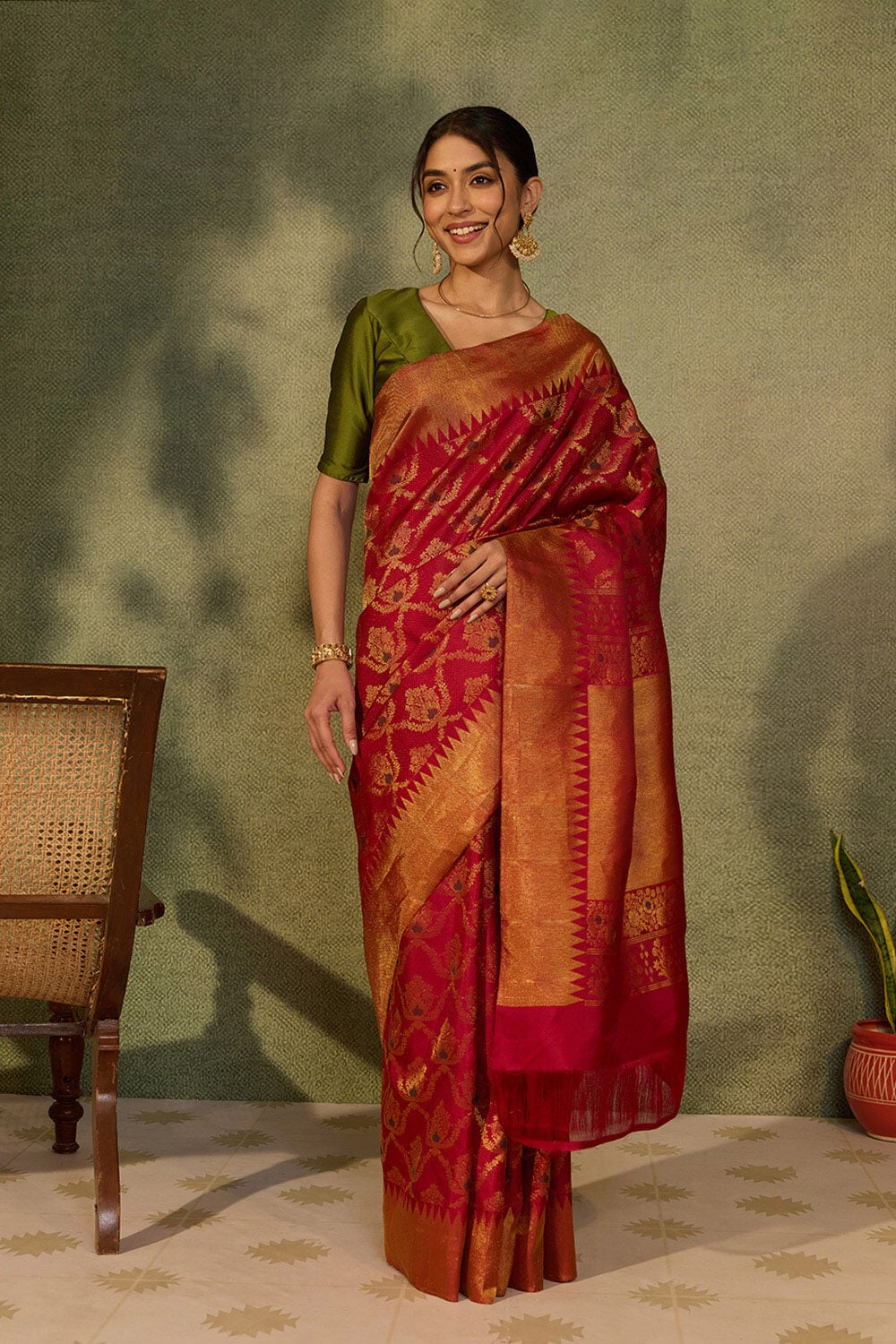
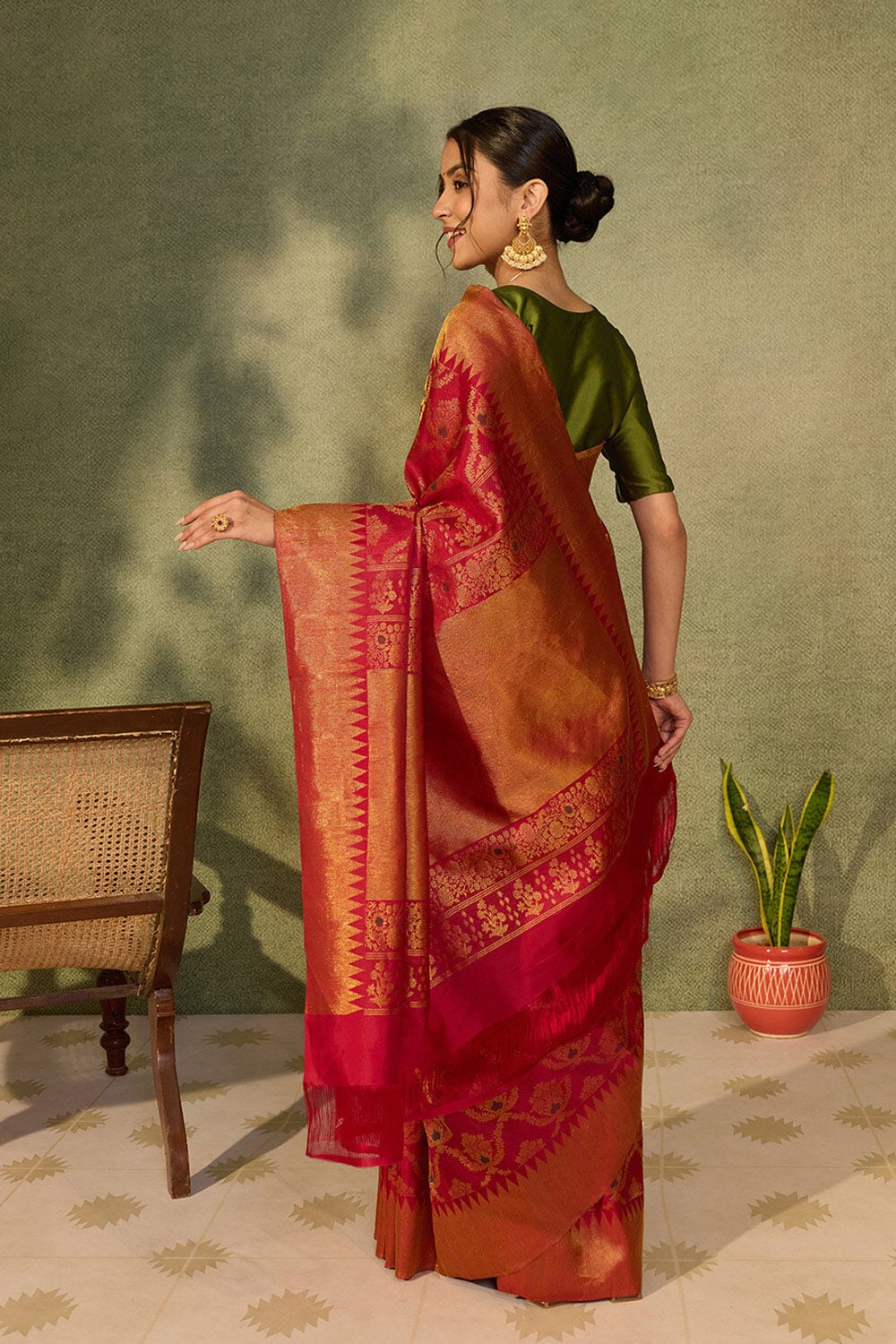
Dark Red Brocade Kanjivaram Pure Silk Saree with Unstitched Blouse Piece
The Dark Red Brocade Kanjivaram Pure Silk Saree is a rich and traditional choice for festive occasions, crafted from luxurious pure silk with intricate brocade detailing. The deep red color adds an auspicious and regal touch, while the rich woven patterns and zari accents enhance its festive appeal. Perfect as a Varamahalakshmi saree, its traditional Kanjivaram craftsmanship and lustrous silk texture make it ideal for pooja celebrations and special occasions. The saree comes with an unstitched blouse piece, allowing you to customise the blouse to complement your personal style.
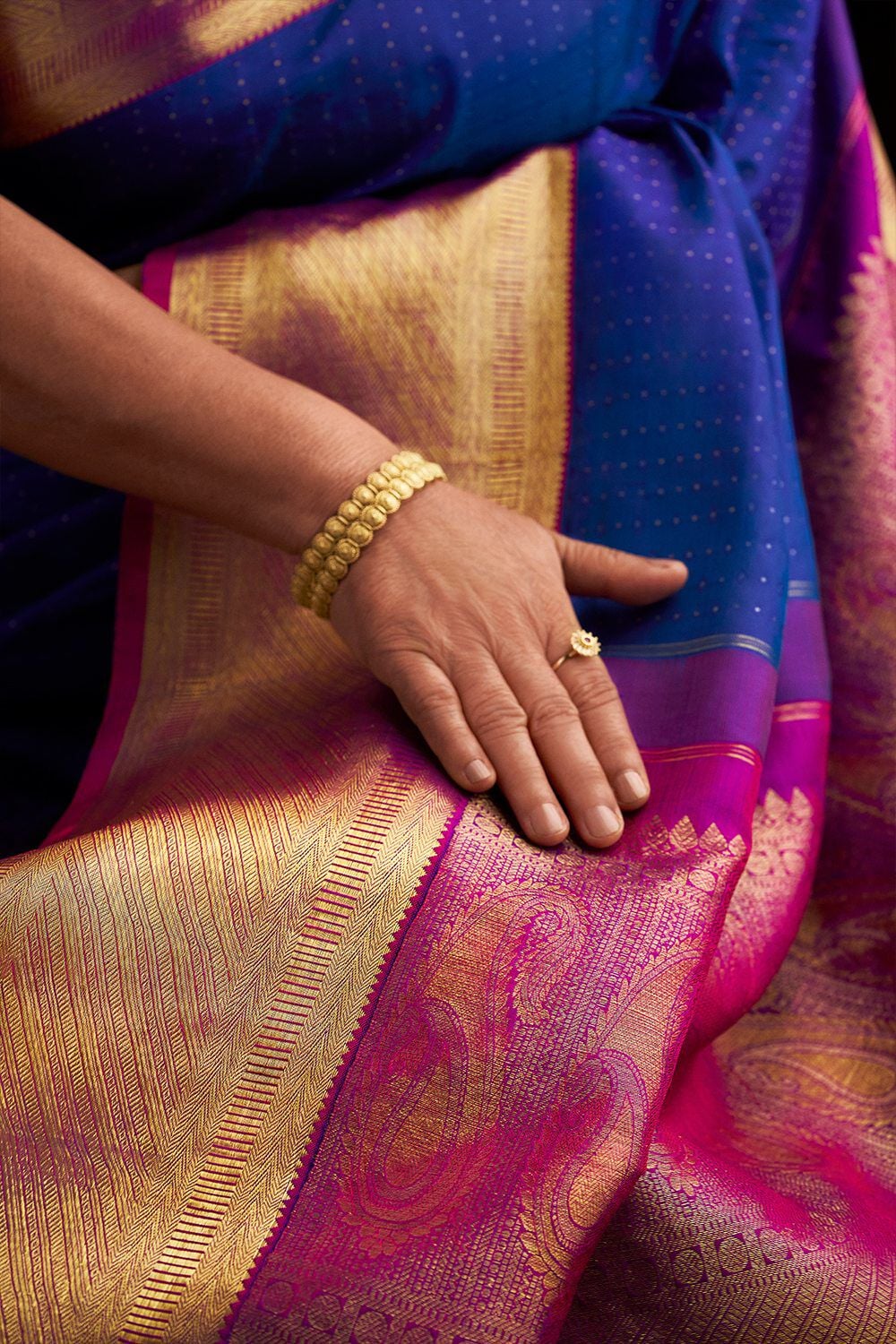
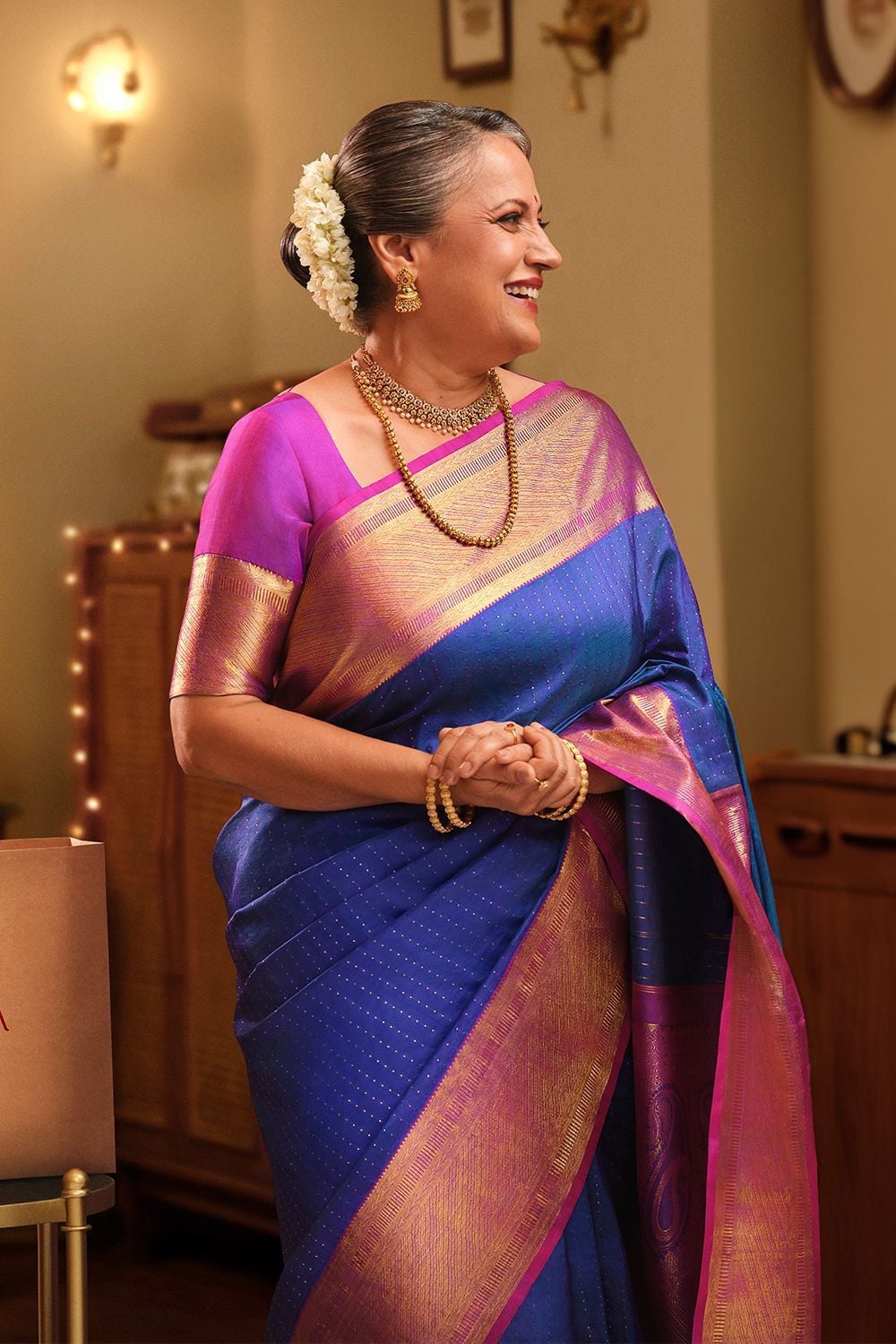
Blue Kanjeevaram Pure Silk Saree with Unstitched Blouse Piece
The Blue Kanjeevaram Pure Silk Saree is a timeless festive choice, crafted from luxurious pure silk with the rich texture and graceful drape associated with traditional Kanjeevaram sarees. Its elegant blue hue adds a sophisticated and vibrant touch, while the traditional zari detailing brings festive richness to the look. This is a beautiful choice as a Varamahalakshmi saree, its classic silk craftsmanship makes it ideal for pooja celebrations and auspicious occasions. The saree comes with an unstitched blouse piece, allowing you to customize the blouse to suit your style.
Sarees in Auspicious Colours
Green Sarees: You can choose a green saree for your first Varamalakshmi pooja. It is a beautiful choice for Varalakshmi pooja, particularly for a festive look inspired by the freshness of the Shravan season. A green silk or handloom saree with zari detailing can create a graceful traditional appearance.
Pink Sarees: Pink brings a soft, feminine, and festive touch to your Varalakshmi look. From pastel pinks to deeper pinks, this colour works beautifully with gold jewellery and traditional blouse designs.
Red Sarees: For newlyweds, red can create a particularly rich and celebratory look. Choose a red silk saree with a gold-zari border for a classic festive look.
Gold Sarees: Gold-inspired sarees are ideal for a more luxurious festive look. They can be styled with traditional gold jewellery, temple jewellery and jasmine flowers for an elevated pooja ensemble.
Royal Blue Sarees: For newlyweds who prefer jewel tones, royal blue can offer a sophisticated alternative. Pair it with a gold or contrasting blouse and traditional jewellery to retain the festive character.
Blue Sarees: Blue sarees can create an elegant, contemporary interpretation of traditional Varalakshmi attire. Choose richer blues with zari or woven detailing for a more ceremonial appearance.
Wine Sarees: Wine is a sophisticated choice for women who prefer deeper festive shades. A wine saree paired with antique gold jewellery can create a refined evening or pooja look.
How to Choose the Best Varalakshmi Sarees
Choosing the best Varalakshmi saree is about finding the right balance between tradition, elegance and comfort. Since the pooja involves several rituals and can take a few hours, your saree should not only look festive but also feel comfortable throughout the celebration.
Choose the right fabric: Consider the weather, duration of the pooja and your comfort. Rich silk sarees work beautifully for a traditional look, while cotton, silk-cotton, Chanderi and organza offer lighter and more comfortable options.
Look for beautiful borders and pallus: A saree with a well-crafted zari border, traditional motifs, floral patterns or an ornate pallu can instantly add a festive touch. If you prefer a subtle look, choose delicate borders and minimal detailing.
Pick a colour that suits the occasion: Festive shades such as red, green, yellow, pink and gold can create a traditional Varalakshmi look.
Style it thoughtfully: Complete your look with traditional jewellery, bangles, a bindi and fresh flowers in your hair. A well-fitted blouse in a complementary colour can bring the entire ensemble together without taking attention away from the saree.
Choose craftsmanship over excess: A beautifully woven saree does not need heavy embellishment to stand out. Handloom textures, intricate weaving, traditional motifs and fine zari work can add character while keeping the look elegant and timeless.
How Can You Style Your Varalakshmi Saree?
A traditional saree does not need excessive styling to make an impression. For a classic Varalakshmi pooja look, pair your saree with a well-fitted blouse, gold or temple jewellery and traditional bangles.
Add some fresh flowers such as jasmine, which can be worn in the hair, while a simple bindi and traditional earrings can complete the look.
If your saree has an elaborate zari border or statement pallu, keep the accessories balanced so the weave and craftsmanship remain the center of attention.
For a contemporary touch, you can experiment with blouse necklines, sleeve styles or a more minimal jewellery combination while keeping the overall look traditional.
From preparing the kalasam and observing the vratam to sharing thamboolam and choosing a beautiful saree, every ritual contributes to the spirit of the celebration. You can also check out Taneira's collection of traditional Indian sarees to find a graceful look for your first Varalakshmi pooja after marriage.
Get a Chance to Celebrate your First Varalakshmi with Taneira
Your first Varalakshmi pooja after marriage is an opportunity to celebrate tradition while creating your own memories. Whether you choose a richly woven silk, a comfortable cotton, a delicate Chanderi, or a contemporary organza saree, the right choice is one that feels beautiful, comfortable, and true to the occasion.
From vibrant reds and greens to elegant pinks, golds, and jewel tones, explore Taneira's collection of sarees to find a Varalakshmi saree that complements your festive style and makes your first celebration even more special. Find your perfect fit of sarees for all your festive moods in all shades of colours.
Frequently Asked Questions
What should a newly married woman wear for Varalakshmi pooja?
For your first Varalakshmi pooja, you can wear a popular traditional outfit such as Silk, cotton-silk, Chanderi, or organza sarees can all work well depending on the family's traditions, the weather and your comfort.
Which saree colour is best for Varalakshmi pooja?
Saree colours like red, green, yellow, pink and gold are popular festive choices for Varalakshmi pooja. However, there is no universal color rule, so newlyweds should also consider their family's traditions and personal preferences.
Can I wear a silk saree for my first Varalakshmi pooja?
Yes. Silk sarees are a classic choice for festive and religious occasions. A pure silk or Kanjivaram-inspired saree with traditional motifs and zari detailing can create an especially ceremonial look.
Are cotton sarees suitable for Varalakshmi pooja?
Yes. Cotton sarees can be an excellent choice, particularly in warm weather. They are lightweight, breathable and comfortable while still looking traditional when paired with a festive blouse, jewellery and flowers.
What jewellery should I wear with a Varalakshmi saree?
Gold jewellery, temple jewellery, traditional earrings, bangles and a necklace can complement a Varalakshmi saree beautifully. If the saree has heavy zari or an elaborate pallu, simpler jewellery can create a more balanced look.
Can I wear a pastel saree for Varalakshmi pooja?
Yes. Pastel sarees can create a soft, contemporary festive look. If your family traditions allow it, a pastel saree paired with gold jewellery and traditional accessories can be an elegant choice.
What is a yellow saradu in Varalakshmi Vratham?
A yellow saradu is a sacred thread traditionally associated with Varalakshmi Vratham. It is commonly made with nine knots and is tied after the pooja as part of the ritual in many households.
What is offered as naivedyam during Varalakshmi pooja?
Naivedyam can include traditional sweets, fruits and homemade dishes. The specific preparations vary according to regional and family traditions.

