


How to Choose the Perfect Pure Silk Saree: Expert Tips
8 May, 25
 5 min read
8
May, 25


Pure Silk sarees have always charmed women across generations and continue to do so. The beauty of Silk lies in its luxurious texture, subtle sheen and graceful drape, making it a wonderful choice for weddings, festive occasions, gifting and even heirloom collections. And the best part? Every region of India offers its unique take on pure Silk sarees, with each saree flaunting a different kind of weave and craft.
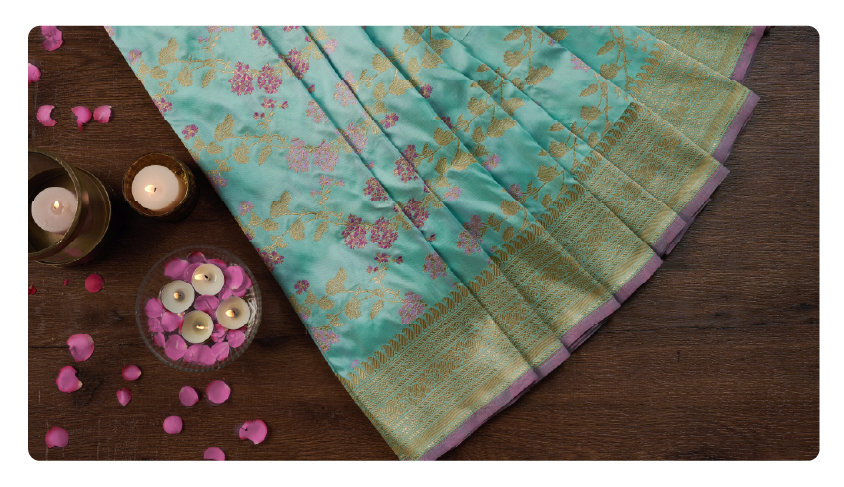
If you love Silk sarees as much as we do, it is important to have a keen eye for fabric, weave and authenticity. Some factors that can help you choose the perfect pure Silk saree are:
- The Texture and Feel: Pure Silk fabric feels soft and has a natural sheen. It is not overly slippery or stiff, leading to a perfect drape.
- The Saree’s Drape: Pure Silk sarees offer the perfect drape, making them easy to carry for long hours together and ensuring a graceful fall.
- Weight: Pure Silk sarees like Kanjivarams and Banarasis, for instance, are heavy due to the superior quality Silk and the intricate zari weaving on them.
- The Design and Weave: Taneira’s wide collection of Silk sarees has a piece for every occasion. Look for intricate zari work sarees for a luxurious and festive feel. For other formal occasions and a professional set up, feel free to choose a Silk saree with subtle embroidery or woven motifs.
- Silk Mark Label: While buying sarees, look for the Silk Mark label certified by the Government of India for authenticity.
Silk Sarees from Different Indian Regions
While some sarees may flaunt unmatched zari work, others may be complete with intricate embroideries, beautiful printed patterns or even hand-painted designs. If you are looking at adding a pure Silk saree to your wardrobe, don’t miss exploring the exquisite range of regional sarees at Taneira and read on to know what makes them so special.
Here are some cherished sarees – from different parts of India – that have made a place in people’s hearts all over the world.
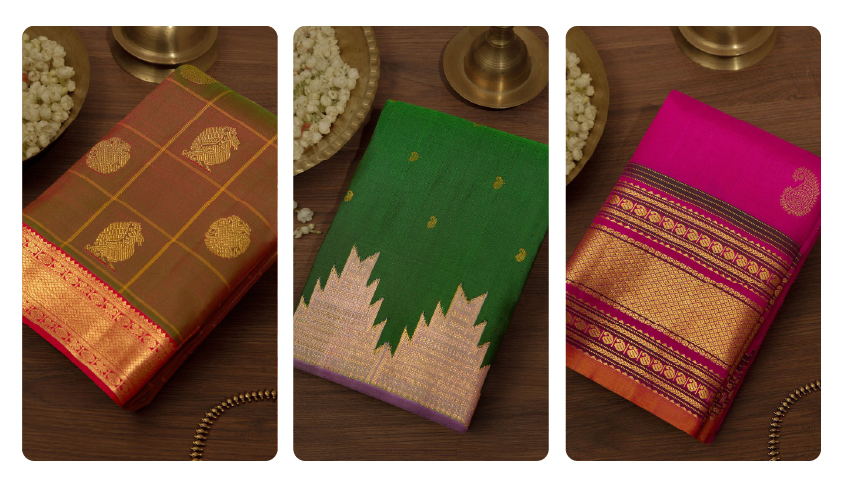
-
Kanjivaram Sarees:
Any Silk saree collection would be incomplete without a rich Kanjivaram saree from Tamil Nadu. Handcrafted with utmost care and perfected over months together, each saree boasts of heavy gold zari borders, geometrical patterns and bold temple or floral motifs on the pallu. The woven details on the saree lend it a regal touch, making it an ideal choice for weddings and other big special occasions. -
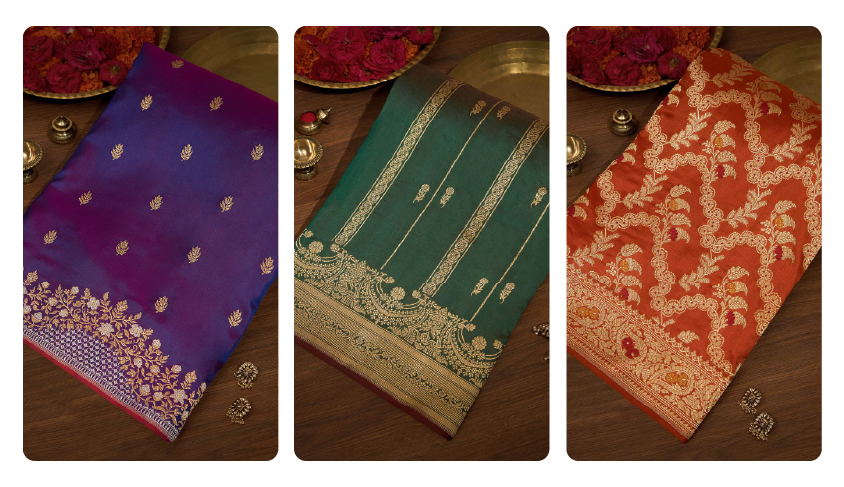
Banarasi Sarees
As the name suggests, these sarees from Varanasi have long been synonymous with bridal splendour. The artistic weaving on these Silk sarees includes delicate floral motifs, paisley leaves, intricate jaal work and other Mughal-inspired designs. The meticulous process of Kadwa weaving allows for more elaborate zari designs and thus, a richer texture. While buying a pure Silk Banarasi saree, always begin by feeling the fabric. The Silk should be buttery soft and lustrous, with zari motifs that seem like they are floating on it. -
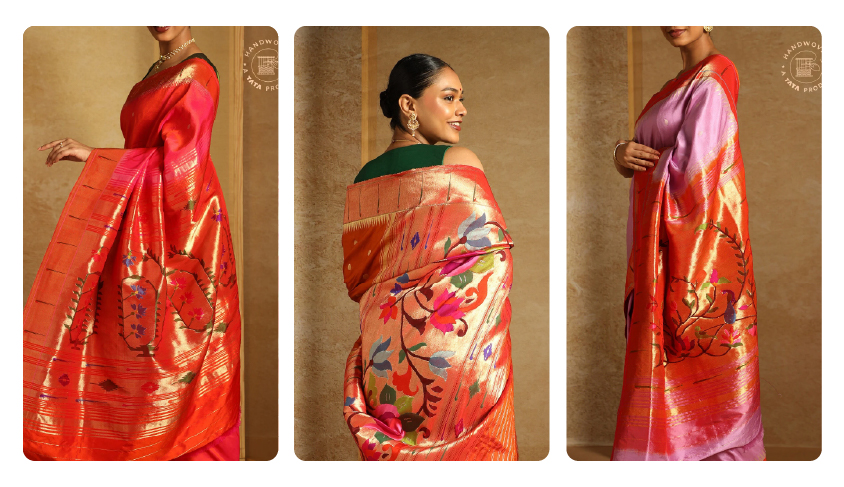
Paithani Sarees:
Hailing from Paithan, a historic town near Aurangabad in Maharashtra, Paithanis are made from pure mulberry Silk, and are known for their lustrous glow and rich drape. Similar to the Kadwa weave, these sarees showcase the tapestry weaving technique, where each zari motif (ranging from peacocks and lotuses to geometric designs) is handwoven individually, making it stand out like a jewel on the Silk base – a feature that will help you identify an authentic Silk Paithani. -
Patan Patola Sarees:
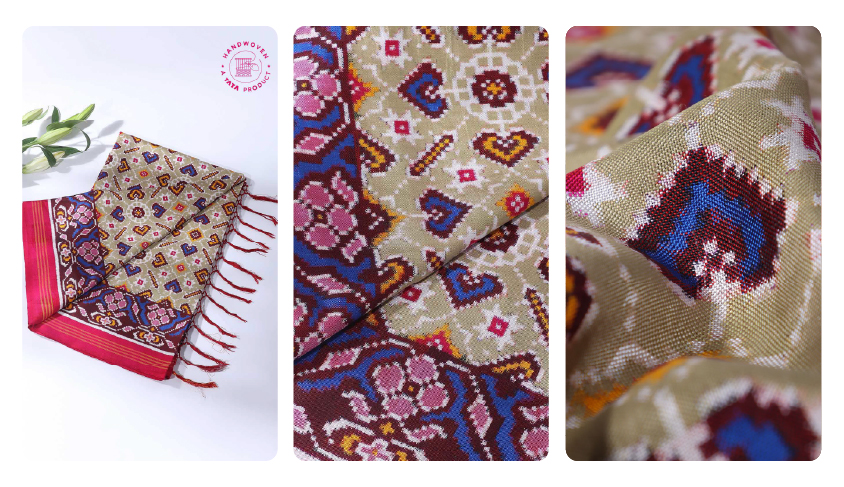
An artistic masterpiece from the colourful state of Gujarat, Patan Patola sarees are much loved for their double ikat patterns that come alive on the smooth Silk texture. While buying a Patola saree, don’t miss the symmetrical patterns that are a result of the double-ikat weaving technique, making the saree look stunning from the front and the back – a hallmark of true Patan Patola craftsmanship. -
Uppada Jamdani Sarees:
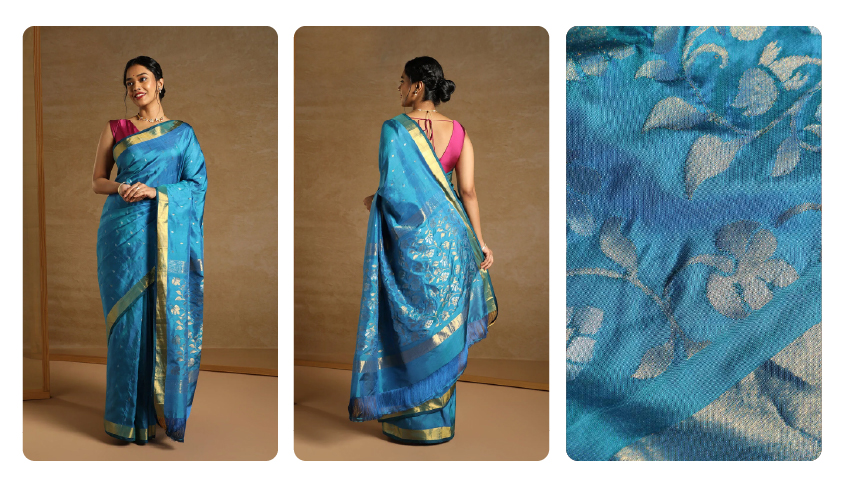
Originating in the Indian state of Andhra Pradesh, Uppada Silk sarees are known for their exquisite Jamdani weaves, which involve intricate motifs woven onto the fabric manually, without using mechanical looms. These sarees feel lightweight and soft, while looking festive at the same time. The natural sheen of Silk further lends a formal touch to these soft Silk sarees.
A Silk saree is a lifetime investment, and often an heirloom piece. Thus, it is important to choose it wisely as you enjoy its timeless beauty every time you or a loved one adorn it.
Shop for Silk sarees that are sure to take your ethnic wear wardrobe up a notch at www.taneira.com or visit a Taneira store in your city today.
These sarees embody local traditions and weaving methods passed down through generations, and an aesthetic that remains timeless despite evolving trends. Every purchase of a local silk saree sustains an artisan’s livelihood and keeps ancient weaving traditions alive. With synthetic imitations on the rise and mass-produced textiles overshadowing handcrafted sarees, consumers must make informed decisions to support authenticity over convenience.
How you can help preserve silk sarees
-
Choose authentic handwoven sarees
Supporting local artisans begins with identifying and purchasing authentic, handwoven silk sarees. Many power-loomed imitations flood the market, making it essential to check for hallmarks of authenticity such as
GI (Geographical Indication) tags for Banarasi silk sarees.
Irregularities in the weave, which indicate handloom work.
A soft, natural texture that differentiates pure silk sarees from synthetic blends.
-
Embrace everyday saree wearing
The reinvention of silk sarees as everyday wear rather than occasional attire is crucial. Silk sarees should not be confined to weddings or special occasions. Incorporating them into daily or workwear fashion keeps them relevant. Lightweight varieties like soft silk sarees and Tussar silk sarees offer comfort and elegance, making them perfect for regular use.
Pairing silk sarees with modern blouses, pre-draped designs, or fusion styles can also make them more accessible for younger generations, helping preserve their place in contemporary wardrobes.
-
Educate and advocate
Consumers have the power to shape trends and influence others. By learning about different silk sarees, sharing their significance, and advocating for handloom weavers, you can create awareness. Supporting social media campaigns, attending textile exhibitions, and promoting artisans’ stories amplify their work and generate greater appreciation for handcrafted sarees.
-
Invest in sustainable fashion
Handwoven silk sarees are inherently sustainable compared to mass-produced textiles, which rely on synthetic fibers and polluting processes. By choosing a pure silk saree, you support ethical fashion and reduce their carbon footprint.
Caring for silk sarees also extends their life span. Storing them properly, avoiding excessive washing, and using eco-friendly dry-cleaning methods help maintain their beauty for generations, making them true heirloom pieces.
-
Support artisan initiatives
Many weavers struggle due to middlemen taking unfair commissions. You can directly impact artisans' livelihoods by purchasing from platforms that work with weaver cooperatives or self-help groups. Many e-commerce websites now showcase authentic handloom sarees, allowing direct transactions that ensure fair wages for artisans.
Additionally, government initiatives such as India Handloom Brand and private NGO collaborations work to promote and protect handwoven textiles. Supporting these programs strengthens the weaving community and safeguards their craftsmanship.
-
Demand transparency and fair trade
Consumers can drive ethical change by demanding transparency from brands. When purchasing a silk saree, ask about its origins, the weavers involved, and whether fair wages were paid. Brands that provide such details signal authenticity and ethical practices, reinforcing a culture of accountability in the textile industry.
-
Pass down the legacy
Silk sarees are heirlooms, carrying the essence of generations. Instead of letting them sit in storage, passing them down with their stories ensures their cultural significance remains alive. Encouraging younger family members to appreciate and wear inherited sarees fosters a deeper connection with India’s textile heritage.
Continue to weave the fabric of culture.
Beyond commerce and trends, the preservation of silk sarees is a cultural imperative. These weaves are deeply entwined with festivals, weddings, and rites of passage in India. Their decline would mean a loss not just of textile heritage but of intangible traditions that define Indian identity. The future of India’s silk sarees rests in the hands of those who choose to preserve them. Through mindful purchasing, embracing everyday wear, advocating for artisans, and supporting ethical fashion, you play a direct role in sustaining this rich heritage.
In an era where fast fashion often overshadows craftsmanship, choosing a pure silk saree is more than just a style statement. It is a commitment to history, artistry, and the generations of weavers who continue to keep this tradition alive. Every saree bought, worn, and cherished is a step toward ensuring that India’s timeless weaves endure in a globalized world.
Experience the beauty of authentic handwoven silk sarees. Shop now at www.taneira.com or visit your nearest Taneira store to embrace heritage in style!

