The Rich Heritage of Pattu Sarees: A Deep Dive into Tradition


The Rich Heritage of Pattu Sarees: A Deep Dive into Tradition
31 January, 25
 5 min read
31
Jan, 25


Pattu sarees are a beautiful expression of elegance, luxury, and deep-rooted tradition. Known for their lustrous appearance and intricate craftsmanship, these silk sarees hold a special place in the hearts of many. From weddings to festivals, pattu sarees are a timeless staple in South Indian culture.
The word "Pattu" translates to silk, and true to its name, pattu sarees are made from the finest quality silk. With their rich textures, vibrant colours, and elaborate designs—often featuring intricate borders, zari work, and gold or silver thread detailing—pattu sarees embody a regal charm. While they are most often associated with weddings and significant celebrations, the allure of these sarees transcends occasions. Their timeless beauty makes them perfect for any special event, and they add a touch of grace to every woman who wears them.
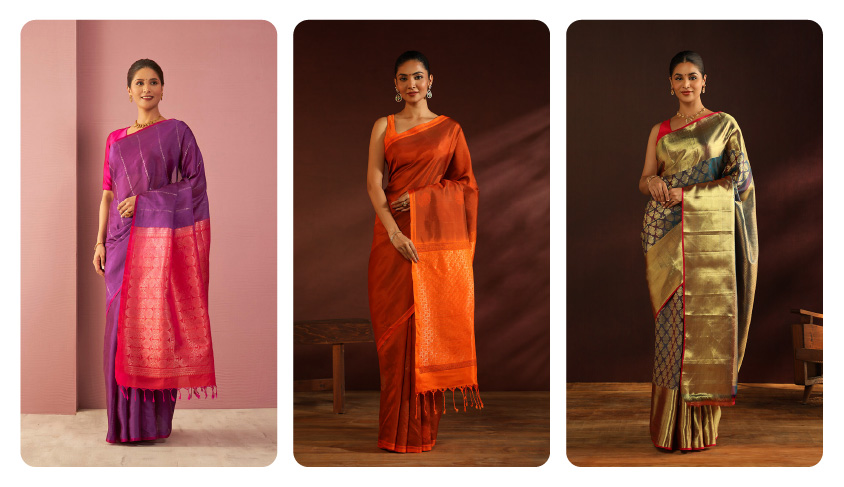
History and Origin of Pattu Sarees
The legacy of pattu sarees stretches back centuries, rooted in the heart of South India. Tamil Nadu, in particular, is famous for its long-standing tradition of silk weaving, which flourished under royal patronage. The Kanchipuram or Kanjivaram saree, one of the most celebrated types of pattu sarees, originated in the town of Kanchipuram. Here, skilled weavers honed their craft, creating luxurious sarees that became renowned for their intricate zari work and vibrant colours.
As time passed, pattu sarees gained recognition not only in South India but across the country, becoming an essential part of the bridal trousseau. The use of gold zari—delicate threads made of gold—was a symbol of wealth and grandeur, and the beautiful patterns woven into the sarees reflected the status of the wearer. These sarees were more than just clothing; they were symbols of prosperity, blessings, and connection to one's roots.
Significance of Pattu Sarees in South Indian Culture
In South India, pattu sarees are far more than fabric—they are a vital part of cultural identity. Whether worn at weddings, temple visits, or festivals, the pattu saree is a symbol of tradition, family, and heritage. At weddings, these sarees represent the sacred bond between two families. The opulence of the gold zari and the luxurious feel of the fabric are believed to bestow blessings and bring good fortune to the couple.
Beyond weddings, pattu sarees are worn during festivals and religious ceremonies, marking the significance of those occasions. From the temples of Tamil Nadu to the grand celebrations of Telangana and Andhra Pradesh, each region has developed its own distinctive style of pattu weaving. But regardless of the region, all pattu sarees are united by the same deep sense of tradition and craftsmanship, each telling its own story of culture, family, and artistry.
Pattu sarees are woven with love, tradition, and an immense sense of pride. Their rich history and intricate craftsmanship reflect generations of artisans who have dedicated their lives to perfecting this timeless art. These sarees are more than just garments; they are cherished heirlooms, carrying the legacy of our culture and the stories of our families. Whether worn for a wedding, temple visit, or family celebration, a pattu saree is not just fabric—it’s a piece of India’s soul and heritage. Explore Taneira’s exquisite collection of Pattu sarees, available online or at a store near you .

